This video serves as a correction and clarification regarding a previous review of the Beretta 92 Elite and Langdon Tactical's customer service. The speaker acknowledges that a critical complaint about customer service was based on a miscommunication, as Langdon Tactical did attempt to respond to an email that was lost in transit. The video also delves into technical aspects of the Beretta 92 Elite, specifically addressing the issue of the front sight and optic plate coming loose, and discusses potential solutions like staking and Loctite.
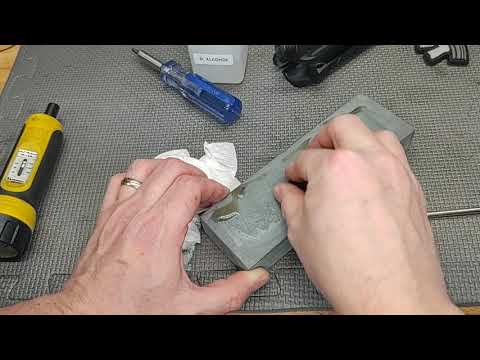
This video demonstrates a common issue with LMT Enhanced Carriers where the carrier key can become loose. The instructor highlights the importance of inspecting the carrier key's tightness, especially after potential impacts or improper installation. He explains that a loose carrier key can lead to malfunctions and recommends a breakaway test using a torque wrench in reverse to identify this problem.
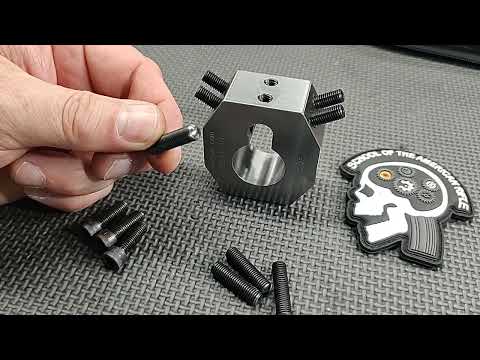
This guide details the installation of SOTAR/MOACKS AR carrier key screws, an aftermarket upgrade for the MOACKS staking tool. The video demonstrates how these screws, designed for 'golf ball staking,' move more material for better retention compared to standard screws. It emphasizes greasing the tips and torquing to 50 inch-pounds for optimal results.
This video demonstrates the proper use of the Echo Zulu Castle Nut Staking Kit for AR-15 platforms. It covers the components of the kit, including a specialized castle nut, guide, and staking punch, and outlines the installation process. The guide emphasizes correct torque application and the use of the staking tool to ensure a secure castle nut, preventing loosening during operation. The kit is presented as an efficient solution for a critical firearm assembly step.
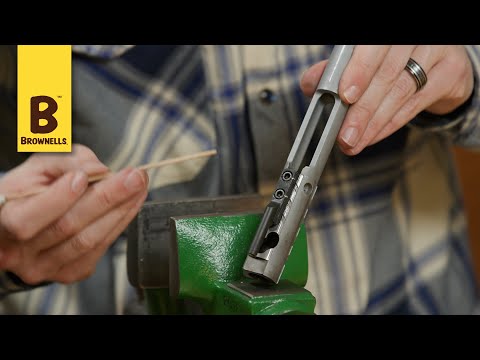
This guide details the professional process for replacing an AR-15 gas key, as demonstrated by Caleb from Brownells. It covers critical steps like proper cleaning, surface preparation using India stones, application of Loctite 638, precise torquing to 50-58 inch-pounds, and secure mechanical staking to prevent loosening. This ensures reliable gas system function and prevents malfunctions.
This guide, presented by experienced individuals from Brownells, demonstrates how to safely un-stake an AR-15 castle nut. It debunks the myth that a staked castle nut is permanent and provides a clear, step-by-step process for removal using an armorer's wrench. The video emphasizes that staking is primarily to prevent loosening from vibration and advises replacing the end plate upon reinstallation.
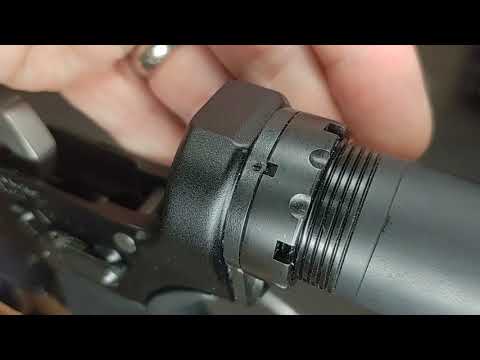
This guide details the correct technique for staking an AR-15 castle nut, a critical step for ensuring the receiver extension remains secure. It emphasizes proper tool usage and metal displacement to prevent loosening, contrasting it with ineffective methods. The instruction comes from Caleb at Brownells, a reputable firearms retailer and gunsmithing resource, highlighting their expertise in practical firearm maintenance.
This video is a product spotlight on the Forward Controls Design CNF Castle Nut for the AR-15 platform. Brownells Gun Tech Caleb Savant highlights its superior construction and features compared to a standard mil-spec castle nut. Key improvements include a Nitride finish for better corrosion resistance, deeper 30-degree staking notches for a more secure installation, and aesthetic dimples that also provide finger purchase. Savant asserts it's the best AR-15 castle nut available, emphasizing how small parts can significantly enhance a rifle's performance and reliability.
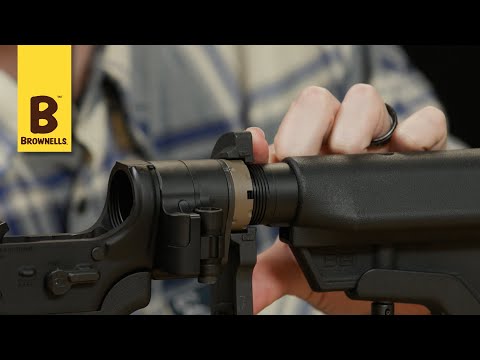
This guide provides a step-by-step process for installing an AR-15 buffer tube assembly, specifically detailing the use of an Aero Precision Carbine Buffer Kit. The instruction emphasizes proper alignment of components, secure tightening of the castle nut, and the critical 'staking' process for long-term reliability. The video features clear, encouraging instruction from Brian of 1st Shot Tactical, demonstrating a high level of expertise in AR-15 assembly.
This video from Brownells Gun Tech™ explains the critical importance of a properly staked gas key on an AR-15's bolt carrier group. Caleb Savant details how gas pressure cycles the action and why loose gas key screws, caused by insufficient staking, will lead to gas leaks. This prevents proper bolt carrier cycling, rendering the rifle inoperable. The video emphasizes that proper staking is essential for reliable function, whether for recreational shooting, duty use, or personal defense.
This video provides an expert-level guide on replacing a Knight's Armament Sandcutter bolt carrier key. Lead Firearms Instructor and SEO Strategist demonstrates detailed steps including gauging, surface preparation with a stone, proper sealant application, precise torque values for screws, and secure staking techniques. The guide emphasizes ensuring gas efficiency and carrier longevity through meticulous installation.
This guide, presented by Chad Albrecht of School of the American Rifle, demonstrates how to remove a staked castle nut on an AR-15 platform rifle. It debunks the myth that staked castle nuts are permanent, showing that with the correct tools like the Geissele Reaction Block and an armorer's wrench, the staking can be easily overcome. The process involves breaking the staked material and unscrewing the nut, with guidance on reusing components.
Gun Laws by State
Read firearms regulations for all 50 states + D.C.
Find Gun Dealers
Search licensed FFL dealers near you.