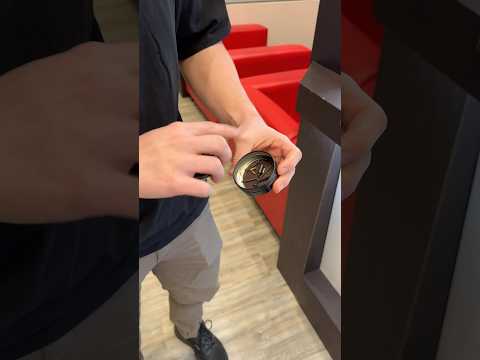
How to Install AR15 Buffer Tube Assembly - Aero Precision Lower Receiver

Published on February 10, 2023
Duration: 7:05

This video details the installation of an AR15 buffer tube assembly on an Aero Precision lower receiver. Key steps include preparing the buffer tube, correctly installing the buffer retainer, and securely threading the buffer tube while aligning stock notches downward. The process emphasizes hand-tightening the castle nut, applying significant torque with a wrench, and the importance of staking for recoil resistance, though the staking itself is not demonstrated.

Quick Summary

To install an AR15 buffer tube assembly, first prepare the tube by threading the castle nut and sliding on the end plate. Then, insert the buffer retainer spring and detent into the receiver. Screw the buffer tube in, carefully depressing the retainer, and align stock notches downward. Hand-tighten the castle nut, apply significant torque with a wrench, and consider staking for security.

Chapters

  1. 00:00Introduction and Parts Overview
  2. 01:15Buffer Tube Preparation
  3. 02:27Installing the Buffer Retainer
  4. 02:55Screwing in the Buffer Tube
  5. 03:45Tightening and Torquing the Castle Nut
  6. 05:13Understanding Castle Nut Staking
  7. 05:48Final Assembly: Spring and Buffer

Frequently Asked Questions

What are the essential parts included in an AR15 buffer tube assembly kit?

An AR15 buffer tube assembly kit typically includes the buffer tube itself, the buffer spring, the buffer, the castle nut, and the end plate. You'll also need the buffer retainer and its spring from your lower parts kit.

How do you properly install the buffer retainer during AR15 buffer tube assembly?

Insert the buffer retainer spring and detent into the receiver's designated hole. Manually hold it down as you thread the buffer tube in, ensuring the tube's lip captures the retainer.

What is the purpose of staking the castle nut on an AR15?

Staking the castle nut involves deforming metal from the end plate into the notches of the castle nut. This critical step prevents the nut from backing out due to recoil, ensuring the buffer tube assembly remains secure.

What torque should be applied when installing an AR15 buffer tube castle nut?

While specific torque values can vary, the process involves hand-tightening the castle nut, then applying significant torque with a castle nut wrench. It's often recommended to back it off slightly and re-tighten to ensure a secure, well-seated assembly.

Related News

All News →

More Gunsmithing & DIY Videos You Might Like

More from 1st Shot Tactical

View all →