This guide details a method for testing firearm functionality and durability underwater, as demonstrated by Kentucky Ballistics. It emphasizes safety through remote firing and controlled environments. The tests reveal significant energy loss and potential for catastrophic failure in firearms when fired submerged, with larger calibers like .50 BMG causing extreme water displacement and structural damage.
This video from RECOILtv delves into the performance of 9mm versus .45 ACP ammunition when fired underwater. An experienced speaker analyzes reliability and effectiveness, noting that .45 ACP traveled twice the distance of 9mm, likely due to its tendency to remain a ball round. However, the 1911 platform experienced frequent stoppages with .45 ACP underwater, leading to a recommendation for Glocks and ball ammunition for such specific, albeit unusual, applications.
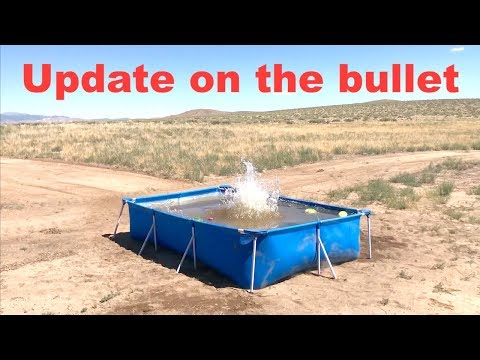
This video provides an update on a previous .50 BMG underwater shot, clarifying viewer questions about a shiny object. Edwin Sarkissian uses unedited footage and slow-motion analysis to demonstrate the bullet's trajectory after exiting the pool, impacting a dirt road approximately 10-12 feet away. The analysis confirms the bullet hit the ground, causing a dust cloud, and likely ricocheted.
This video from DemolitionRanch, featuring Matt Carriker, explores the effects of various incendiary and tracer ammunition types when fired into water. The experiment, captured with underwater cameras, demonstrates that rounds like 5.56 tracer, .308 API, and .50 BMG API continue to burn or flash underwater, with significant visual effects. The high-impact nature of the .50 BMG rounds is particularly highlighted.
You've reached the end! 4 videos loaded.
Gun Laws by State
Read firearms regulations for all 50 states + D.C.
Find Gun Dealers
Search licensed FFL dealers near you.