This video introduces Ammo Squared, a company founded by Dan in response to ammunition shortages experienced in 2013-2014. Dan explains the evolution of his business model from an 'ammo bank' to a subscription service, detailing early efforts like vacuum-sealing individual rounds of ammunition for customers.
This guide details the process of making venison breakfast sausage, emphasizing the importance of fat-to-meat ratios (25-30% recommended) and the benefits of a dual grind using coarse and fine plates. The instructor, John Wallace of Wild Game Cook, demonstrates how to prepare the meat, mix seasonings, grind twice, and package the sausage either in bulk or as patties using a vacuum sealer for preservation. The technique ensures a texture and flavor comparable to store-bought breakfast sausage.
This guide details how to add fat to ground venison for improved flavor and texture. It covers selecting fat sources like pork or beef, calculating the correct fat-to-meat ratio (typically 20%), inspecting fat for quality, and the grinding and packaging process. The video emphasizes using cold ingredients and offers insights into different packaging methods like vacuum sealing for long-term storage.
This video demonstrates how to process game meat in the field, specifically deboning a mule deer and vacuum sealing it for transport. Due to changing regulations that prohibit transporting whole deer carcasses across state lines, field processing is becoming essential. The presenter highlights the LM Products Max Vac Go cordless vacuum sealer as a portable and efficient tool for this task, emphasizing its ease of use, internal battery, and ability to create custom-sized sealed bags.
This guide details the process of pressure canning meats for long-term storage, as demonstrated by Alaska Prepper. It covers meat preparation, jar packing using the cold pack method, ensuring a proper seal, operating a T-Fal 22qt pressure canner at 15 PSI for 90 minutes, and testing the shelf-life of canned goods. The expert emphasizes sanitation and safety protocols for successful food preservation.
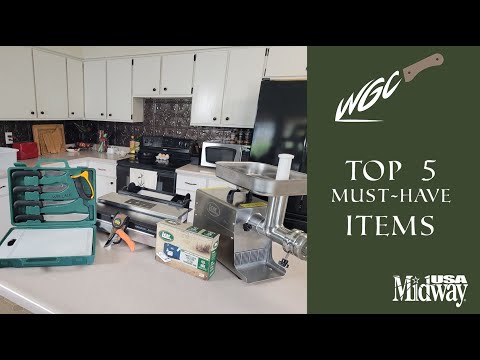
This video outlines five essential items for processing wild game at home, presented by John Wallace of Wild Game Cook. Key recommendations include the Outdoor Edge Razor-Pro knife for field dressing, an Outdoor Edge 11-piece butchering set for breakdown, a quality meat grinder (specifically a LEM #8, 0.5 HP), a LEM packaging system for portioning, and a vacuum sealer like the MaxVac 500 for preservation. An honorable mention is given to LEM Meat Lugs for organization and storage.
This guide details the process of using a vacuum sealer for preserving wild game meat, emphasizing techniques to prevent bag punctures from bones and ensure optimal seals. Host John Wallace of Wild Game Cook demonstrates how to prepare various game cuts, from duck breasts and legs to whole squirrels, for long-term freezer storage. The video highlights the benefits of vacuum sealing over traditional methods like butcher paper or Ziploc bags for maintaining meat quality and preventing freezer burn.
Alaska Prepper demonstrates effective long-term food storage techniques, focusing on nuts. He showcases the success of vacuum sealing using a FoodSaver V2420 and oxygen absorbers, proving that items can remain fresh for over six years past their 'best by' dates. The guide emphasizes proper container selection, correct oxygen absorber sizing, and maintaining an optimal storage environment for maximum shelf life.
This guide details a comprehensive 'Field to Table' hunting and learning vacation. It covers rifle zeroing, ethical harvesting, field dressing, professional butchering techniques for various meat cuts, proper vacuum sealing for preservation, and culminates in cooking demonstrations. The process emphasizes learning the entire cycle from harvest to plate.
This guide details a budget-friendly method for long-term food storage, specifically focusing on sealing rice and beans. It emphasizes using affordable tools like a budget vacuum sealer and Nutri-Lock bags, along with essential items such as oxygen absorbers and 5-gallon buckets. The process involves careful sealing to prevent spoilage and protect against pests and environmental damage, ensuring food safety for years.
This video demonstrates a cost-effective method for vacuum sealing mason jars for dry food storage without specialized equipment like a FoodSaver or brake bleeder. The technique utilizes a standard household vacuum cleaner and a specific mason jar vacuum sealer attachment, along with a custom-made gasket to ensure a proper seal. The presenter, Alaska Prepper, emphasizes that this method is accessible to those on a budget and can effectively preserve dried goods like nuts.
This video demonstrates two effective methods for long-term pasta storage, aiming for up to 25-30 years. It covers dry canning in glass jars using oxygen absorbers and vacuum sealing pasta in FoodSaver bags with puncture protection. Key advice includes using appropriate oxygen absorber sizes and protecting bags from sharp pasta edges with parchment paper.
Gun Laws by State
Read firearms regulations for all 50 states + D.C.
Find Gun Dealers
Search licensed FFL dealers near you.