This guide details the effectiveness of various locations within a vehicle for protection against gunfire, based on a ballistics test. It highlights that while the driver's side door offers poor protection, the trunk, areas behind two doors, the passenger footwell, and the wheel well can provide significant ballistic cover. The assessment emphasizes understanding vehicle structure for personal safety in a shooting scenario.
This video, titled 'Vehicle Lab' and described as 'Reality-Focused,' debunks the Hollywood myth of vehicle safety in firefights. It emphasizes that typical cars are made of thin materials like sheet metal, plastic, foam, and glass, offering little protection against gunfire. The description highlights the chaos, shattered glass, flying debris, and reduced visibility experienced when firing from within a vehicle, contrasting it with cinematic portrayals. The content aims to educate viewers on the realities of engaging from a vehicle environment, not to glorify it. Further details are available on their Patreon channel. The hashtags suggest a focus on tactical applications and a specific group (#gbrs, #gbrsgroup, #beapro).
This YouTube Shorts video explores the phenomenon of bullets bouncing off cars. While the description is minimal, the title clearly indicates the video's focus on ballistic behavior when impacting automotive surfaces. The inclusion of hashtags like #cars and #military suggests a potential demonstration or discussion related to vehicle armor, ballistics, or tactical applications. The content likely aims to visually demonstrate or explain the physics behind bullet ricochet from car bodies.
Colion Noir, a respected firearms commentator, shares personal experiences of being followed and discusses critical decision-making under duress. He emphasizes situational awareness, vehicle evasion tactics, and the split-second choices involved in self-defense scenarios, contrasting options like a concealed Glock 26 with a home-based AK-47. The narrative highlights the importance of understanding the 'rolling coffin' concept and prioritizing awareness as a primary defensive asset.
This video tests the ballistic penetration of a truck bed using various calibers, including 9mm NATO, 5.56x45mm, and .308 Winchester. The results demonstrate that standard vehicle body panels offer minimal protection against common rifle and pistol rounds. The presenter highlights the engine bay and wheel wells as the most effective areas for ballistic cover on a vehicle.
This video demonstrates a tactical approach to understanding vehicle vulnerabilities, debunking common myths about vehicle armor. Expert instruction from GBRS Group highlights that most vehicles offer minimal ballistic protection. The guide details a methodology for testing penetration with various calibers, emphasizing safety protocols.
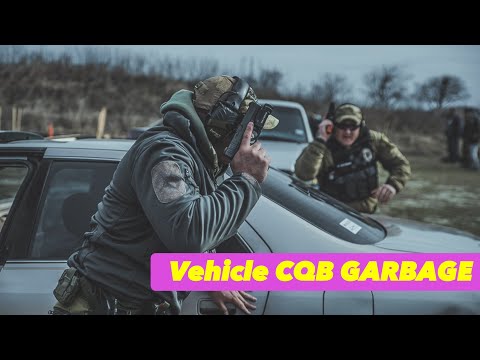
This video critically examines vehicle CQB tactics, advising against expensive classes that teach unrealistic shooting from moving vehicles. The instructor, drawing on private security experience, emphasizes understanding your vehicle's dynamics for evasion and safe dismounting. The primary focus is on driver proficiency in acceleration, braking, and maneuvering, rather than offensive engagement from within the vehicle.
This guide details a ballistic test to determine a vehicle's protective capabilities against gunfire. It outlines a methodical approach using various calibers (.22 LR, 9mm, 5.56x45mm) fired at different vehicle sections. The expert-led experiment highlights that only the engine bay offers reliable cover, while other areas provide limited concealment due to penetration by common rounds.
This video critiques the concept of 'Vehicle CQB' training, arguing it's inherently flawed and dangerous. The instructor emphasizes that vehicles are not bulletproof and advocates for escape as the primary response. If escape is impossible, the focus should be on engaging threats and then immediately seeking cover away from the vehicle, rather than complex transitions or relying on the car for protection.
This YouTube Short, titled 'How do bullets bounce off cars?', explores a common question in firearms and ballistics. While the description is minimal, the title and included hashtags like #pewpew and #military suggest the video will likely delve into the physics of projectile impact on vehicle materials. It may cover factors such as bullet construction, velocity, angle of impact, and the composition of car panels. The inclusion of #tip and #reels indicates a short, potentially informative clip.
This YouTube Short explores the phenomenon of bullets bouncing off car exteriors. While the title and hashtags suggest a focus on military applications and general car-related content, the core question pertains to the ballistics and material interaction of projectiles with vehicle bodies. It aims to educate viewers on how ammunition behaves when impacting car surfaces, likely touching upon the physics and potential dangers involved.
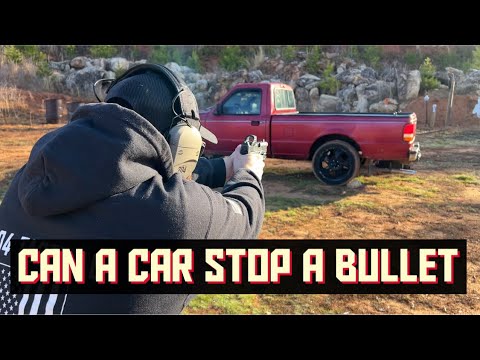
This video explores whether a car can offer protection against incoming gunfire. It delves into the ballistic properties of vehicles and their ability to stop projectiles. The content is likely geared towards self-defense and understanding the limitations of vehicle armor in a ballistic scenario. The USCCA hashtag suggests a focus on concealed carry and personal protection strategies.
Gun Laws by State
Read firearms regulations for all 50 states + D.C.
Find Gun Dealers
Search licensed FFL dealers near you.