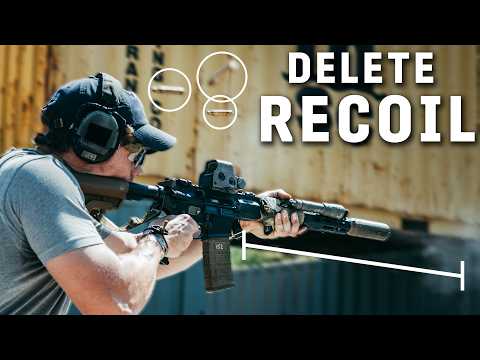
THE AR FILES | Muzzle Devices (Flash Hider v Compensator v Brake) - Choosing CORRECTLY

Published on September 7, 2023
Duration: 9:41

This video provides an expert breakdown of AR-15 muzzle devices, categorizing them into flash hiders, compensators, muzzle brakes, and suppressors, while also discussing hybrid designs like the A2 Birdcage. It highlights the performance spectrum between signature and recoil mitigation, offering practical advice for selecting devices based on intended use. The instructor emphasizes that for most users, signature mitigation is preferable to avoid excessive concussion, reserving muzzle brakes for dedicated competition rifles. Ultimately, the video concludes that focusing on ammunition and training yields greater performance gains than marginal differences between high-quality muzzle devices.

Quick Summary

AR-15 muzzle devices are categorized into Flash Hiders, Compensators, and Muzzle Brakes, each offering different performance characteristics. Flash Hiders reduce signature, Compensators manage muzzle rise, and Brakes reduce recoil. Hybrid devices combine features, while Blast Shields redirect concussion. Selection depends on prioritizing signature mitigation versus recoil control.

Chapters

  1. 00:00Introduction to Muzzle Devices
  2. 01:21Four Main Categories Explained
  3. 02:21Hybrid Devices: A2 Birdcage Example
  4. 03:52The Performance Spectrum: Signature vs. Recoil
  5. 05:21Practical Selection Advice
  6. 06:53Blast Shields & Linear Compensators
  7. 08:15Conclusion: Focus on Training

Frequently Asked Questions

What are the main types of AR-15 muzzle devices?

AR-15 muzzle devices are primarily categorized into four types: Flash Hiders, which minimize visible muzzle flash; Compensators, designed to redirect gas and reduce muzzle rise; Muzzle Brakes, which use baffles to dissipate recoil; and Suppressors, which reduce both sound and flash signatures.

What is the difference between a muzzle brake and a compensator?

A Muzzle Brake primarily uses baffles to redirect gas and reduce felt recoil. A Compensator focuses on redirecting gas, often upwards, to counteract muzzle rise and keep the rifle flatter during rapid fire, though it offers less recoil reduction than a brake.

Should I use a muzzle brake on my AR-15?

Muzzle brakes offer significant recoil reduction but create substantial concussion, making them less ideal for general use or enclosed spaces. They are best suited for dedicated competition rifles where managing recoil is the top priority. For most users, a flash hider or hybrid device is a more practical choice.

What is a blast shield for an AR-15?

A blast shield, like the Surefire Warden or Dead Air Pyro, attaches to a muzzle device to redirect the concussion and muzzle blast forward, away from the shooter and bystanders. This allows users to benefit from high-performance muzzle brakes while mitigating the unpleasant side effects.

More Tactical & Gear Videos You Might Like

More from 9-Hole Reviews

View all →