ATF Effectively Bans Pistol Braces !?! Are You Now a Felon ? (INSIDE GUNS w/TYM S2:E104)

Published on June 11, 2021
Duration: 29:05

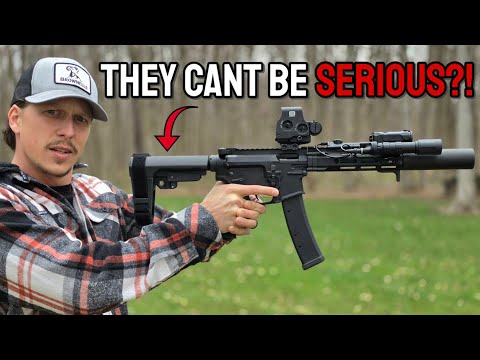
This video clarifies the distinction between legal pistol braces and Short Barreled Rifles (SBRs) under current ATF guidelines. It emphasizes that the legality hinges on specific measurements like overall length and length of pull, as well as the brace's design for forearm use versus shouldering. The presenter advises against proactively seeking ATF approval, suggesting that most existing configurations that were legal previously remain so, and the new rules primarily impact manufacturers.

Quick Summary

The ATF's classification of firearms with braces hinges on specific measurements like overall length (under 26 inches for pistols) and length of pull (LOP) (around 13.5 inches or less for braces designed for forearm use). The brace's design, weight, and absence of secondary grips are also critical factors in determining legality.

Chapters

  1. 00:18Introduction: Pistol Brace Rules
  2. 00:44Misconceptions About New Pistol Brace Rules
  3. 01:09Is This a New Infringement?
  4. 01:43Identifying Misinformation Sources
  5. 03:52Demonstrating SBR vs. Pistol Brace Differences
  6. 04:06Key Measurements: Overall Length
  7. 04:57Key Measurements: Length of Pull (LOP)
  8. 05:38Addressing the 'Millions of Felons' Claim
  9. 06:28Who the New Rules Primarily Affect
  10. 07:06Existing vs. New Legality
  11. 08:48Personal Opinion: Infringement and Advice
  12. 09:43Overall Length Explained
  13. 10:09Length of Pull Explained with Examples
  14. 13:18Brace Design Factors
  15. 14:06Padding and Contact Surface Area
  16. 14:36Overall Weight as a Factor
  17. 16:11Height of Rear Contact Area
  18. 17:12Factors Affecting Manufacturers
  19. 17:40Accessory Impact on Classification (Scopes, Grips)
  20. 20:04Forward Grip Legality and Measurement Rules
  21. 20:55Is Your Pistol Brace Illegal?
  22. 22:10Configuration Makes the Difference
  23. 23:10Difference Between Now and Five Years Ago
  24. 24:16Are You Now a Felon?
  25. 25:38Don't Panic: Key Takeaways
  26. 26:20The Four-Point System Explained
  27. 27:03The Real Difference: Awareness
  28. 27:30Conclusion and Final Thoughts

Frequently Asked Questions

What are the key measurements to determine if a firearm with a brace is legal?

The two primary measurements are overall length and length of pull (LOP). A firearm under 26 inches overall is generally considered a pistol. For braces, the LOP should typically not exceed 13.5 inches, indicating it's designed for forearm use rather than shouldering.

Can a pistol brace itself be illegal?

No, pistol braces themselves are not inherently illegal. Their legality depends on the specific firearm configuration they are attached to and how they are used. A brace is legal if it meets design criteria and is used on a firearm that qualifies as a pistol.

Does the ATF's new rule make millions of gun owners felons?

The video argues that the new rules primarily clarify existing regulations and affect manufacturers. While using a brace in an illegal configuration is still illegal, most owners who were compliant before are not suddenly felons, as they haven't been arrested, prosecuted, or convicted.

What factors does the ATF consider when classifying a firearm with a brace?

The ATF considers overall length, length of pull, the brace's design (e.g., for forearm use), padding, overall weight (if too heavy for one-handed use), and the presence of secondary grips. These factors determine if it's a pistol with a brace or an SBR.

Related News

All News →

More 2nd Amendment & Law Videos You Might Like

More from TheYankeeMarshal

View all →