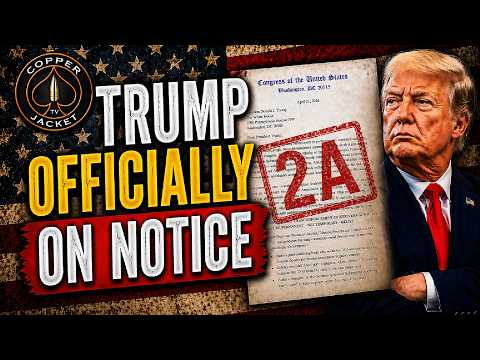
ATF Put In Check, Brace Rule At Risk of Failure

Published on January 9, 2023
Duration: 6:13

This video discusses a letter sent by House Republican Jim Jordan to the ATF director, demanding accountability for the agency's rulemaking process. The letter threatens subpoenas and testimony requests if the ATF does not comply with document and information requests related to its firearm regulation efforts, particularly concerning rules like the 'brace rule'. The speaker expresses hope that this congressional oversight will curb the ATF's perceived overreach and protect law-abiding citizens.

Quick Summary

House Republican Jim Jordan is demanding accountability from the ATF regarding its rulemaking process, threatening subpoenas and testimony. This congressional oversight aims to rein in the agency's perceived overreach and protect law-abiding citizens from regulations that could effectively change law without congressional action.

Chapters

  1. 00:00Introduction: ATF Oversight
  2. 00:22Jim Jordan's Letter to ATF Director
  3. 01:27Reading of Jim Jordan's Letter
  4. 03:37Analysis of ATF Rulemaking Concerns
  5. 04:03House Judiciary Committee's Role
  6. 04:50Impact on the Brace Rule
  7. 05:58Conclusion: Congressional Power

Frequently Asked Questions

What action is House Republican Jim Jordan taking against the ATF?

Jim Jordan, as Ranking Member of the House Judiciary Committee, sent a letter to the ATF director demanding accountability for the agency's rulemaking process. He threatened to use compulsory process, including subpoenas, if the ATF does not provide requested documents and information.

Why is the ATF's rulemaking process being scrutinized?

Critics argue the ATF uses its rulemaking process to effectively change laws without congressional approval, potentially making criminals out of law-abiding citizens. This is seen as overreach beyond the agency's mandate to enforce laws passed by Congress.

How might this congressional action affect the ATF's 'brace rule'?

The 'brace rule,' which was delayed, could be impacted by the increased congressional oversight. With Republicans now controlling the House Judiciary Committee, they have the power to scrutinize and potentially halt ATF actions, including the finalization of such rules.

What constitutional power does Congress have over agencies like the ATF?

Congress possesses broad and indisposable oversight power rooted in Article 1 of the Constitution. This authority allows committees to inquire into the administration of existing laws, study proposed legislation, and survey societal defects to enable legislative remedies.

Related News

All News →

More 2nd Amendment & Law Videos You Might Like

More from Copper Jacket TV

View all →