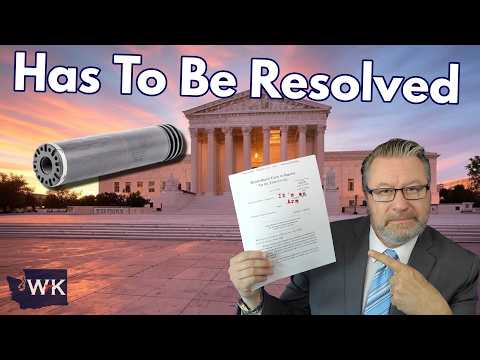
Breaking: ATF's Forced Reset Trigger Ban Struck Down - Now What? 🇺🇸

Published on October 8, 2023
Duration: 8:22

This video provides a critical update on the legal battle surrounding Forced Reset Triggers (FRTs), specifically the NAGR v. Garland case. The Fifth Circuit's ruling has struck down the ATF's ban, clarifying that FRTs do not meet the legal definition of a machine gun. The expert explains the court's reasoning, emphasizing that each shot requires a distinct trigger function, and details the injunction against the ATF's enforcement actions. This ruling has significant implications for firearm owners and manufacturers across the United States.

Quick Summary

The Fifth Circuit has ruled that Forced Reset Triggers (FRTs) are not machine guns, striking down the ATF's ban. The court clarified that each shot requires a separate trigger function, unlike machine guns. The ATF is now enjoined from taking enforcement actions against FRTs, including prosecutions and notice letters.

Chapters

  1. 00:00Introduction: NAGR vs. Garland Case
  2. 01:08Judge's Points & Cargil Case Application
  3. 02:26FRT Functionality Explained
  4. 03:02Court Enjoins ATF Actions
  5. 04:10Specific Prohibited ATF Actions
  6. 05:05Preliminary Injunction Scope
  7. 05:26NAGR Membership & Coverage
  8. 06:56Conclusion & Next Steps

Frequently Asked Questions

What is the legal status of Forced Reset Triggers (FRTs) after the Fifth Circuit ruling?

The Fifth Circuit has struck down the ATF's ban on FRTs, ruling that they do not meet the legal definition of a machine gun. This means FRTs can currently be possessed, sold, and manufactured without ATF interference based on machine gun classification.

Why are Forced Reset Triggers (FRTs) not considered machine guns?

FRTs are not machine guns because each round fired requires a distinct function of the trigger: the trigger must reset, and then be depressed again to release the hammer. This differs from a machine gun, which fires multiple rounds with a single pull or function of the trigger.

What actions is the ATF prohibited from taking regarding FRTs?

The ATF is enjoined from pursuing criminal or civil actions against FRT owners, manufacturers, or sellers, issuing notice letters classifying FRTs as machine guns, or requesting voluntary surrender of FRTs. They also cannot destroy previously surrendered FRTs.

Who is covered by the Fifth Circuit's injunction on FRTs?

The injunction covers the plaintiffs, their family members, organizational plaintiffs, members of those organizations, and downstream customers of commercial members or organizational plaintiffs. This includes manufacturers like Laurence DeMonico.

Related News

All News →

More 2nd Amendment & Law Videos You Might Like

More from Mrgunsngear Channel

View all →