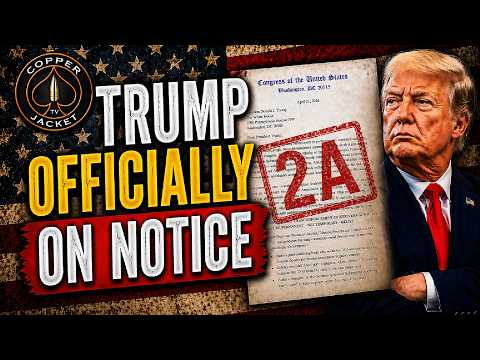
BREAKING: DOJ’s NEW Secret Plan to Erase Your Rights—Exposed!

Published on August 30, 2025
Duration: 10:10

This video discusses a legal challenge to the Interstate Handgun Purchase Ban, a federal law enacted in 1968. The Department of Justice (DOJ) has admitted the law may be unconstitutional but is arguing that any ruling should only apply to the specific plaintiffs in the case, Elite Precision Customs v. ATF, rather than all Americans. This tactic, if successful, could fundamentally alter how constitutional rights are applied, potentially requiring individuals to file their own lawsuits to benefit from overturned laws. The Firearms Policy Coalition is leading the challenge, asserting that constitutional rights should apply universally.

Quick Summary

The DOJ's new legal strategy, as seen in Elite Precision Customs v. ATF, proposes limiting court rulings on unconstitutional laws to only the named plaintiffs. This tactic, if successful, could mean millions of Americans remain subject to laws that are legally invalidated, fundamentally changing how constitutional rights are applied and potentially requiring individual lawsuits for relief.

Chapters

  1. 00:00DOJ Admits Federal Law Unconstitutional
  2. 00:38The Interstate Handgun Purchase Ban
  3. 01:17Firearms Policy Coalition Lawsuit
  4. 01:41Bruen Decision Standard
  5. 02:31DOJ's New Legal Strategy
  6. 03:04Implications of Selective Enforcement
  7. 03:41FPC Sounds the Alarm
  8. 04:14Unusual Tactic: Pistol Brace Lawsuits
  9. 04:55The Bigger Picture: Chilling Effect
  10. 05:30Court's Decision Pending
  11. 06:25Outrageous Tactic
  12. 06:31Beyond Guns: Free Speech & Due Process
  13. 07:07FPC's Clear Stance
  14. 07:48Historical Precedent: Brown v. Board
  15. 08:10Inversion of Principle
  16. 08:35High Stakes: Personal Privileges vs. Rights
  17. 09:27Bottom Line: Blueprint for Erasing Rights
  18. 09:49Call to Action

Frequently Asked Questions

What is the Interstate Handgun Purchase Ban?

The Interstate Handgun Purchase Ban is a federal law enacted in 1968 as part of the Gun Control Act. It restricts individuals from purchasing handguns across state lines, even if the handgun is unavailable in their home state. This law is currently being challenged as unconstitutional.

What is the DOJ's new legal strategy regarding constitutional rights?

The DOJ's new strategy, seen in the Elite Precision Customs v. ATF case, proposes that if a law is found unconstitutional, the ruling should only apply to the specific plaintiffs who brought the lawsuit. This would mean millions of other Americans would remain subject to the unconstitutional law unless they also sue.

Why is the DOJ's strategy considered dangerous?

This strategy is considered dangerous because it could fundamentally alter how constitutional rights are applied, making them personal privileges rather than universal guarantees. It would require individuals to engage in costly and lengthy litigation to reclaim rights that should already be theirs.

What is the significance of the Bruen decision in this context?

The Bruen decision (2022) established a standard for evaluating gun laws, requiring the government to demonstrate a historical tradition of regulation from the time the Second Amendment was written. The lawsuit argues the Interstate Handgun Purchase Ban fails this historical test.

Related News

All News →

More 2nd Amendment & Law Videos You Might Like

More from GUN NEWS

View all →