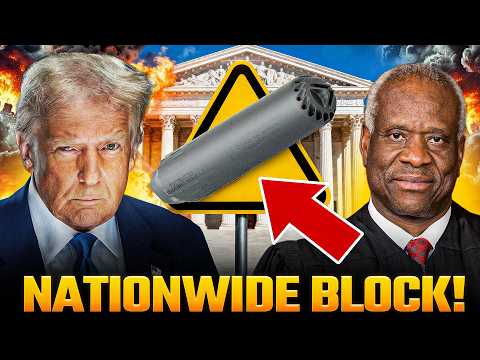
BREAKING! FPC responds to SCOTUS and GOES FOR THE JUGULAR… MASTERFUL response!

Published on August 2, 2023
Duration: 8:23

This video provides an expert analysis of the Firearms Policy Coalition's (FPC) response to the Supreme Court regarding the ATF's frames and receivers rule in the Vanderstock v. Garland case. The FPC argues masterfully that the ATF exceeded its statutory authority by redefining 'firearm' and 'frame or receiver,' departing from established regulatory practice. The analysis highlights the FPC's contention that 'ghost guns' is a propaganda term and that privately made firearms constitute a minuscule fraction of traced firearms, emphasizing that any perceived issues should be addressed by Congress, not through agency overreach.

Quick Summary

The Firearms Policy Coalition (FPC) argues in its response to SCOTUS that the ATF exceeded its statutory authority with the frames and receivers rule. The FPC contends the ATF improperly expanded definitions of 'firearm' and 'frame or receiver,' and that 'ghost gun' is a propaganda term. They advocate for vacatur as the remedy, asserting that any regulatory changes should come from Congress.

Chapters

  1. 00:00FPC Responds to SCOTUS on ATF Rule
  2. 00:33Vanderstock v. Garland Case Overview
  3. 01:00ATF Exceeded Authority Argument
  4. 01:52ATF Policy Overreach Analysis
  5. 02:36Congress's Role vs. ATF's
  6. 03:14Vacatur as Appropriate Remedy
  7. 04:04'Ghost Gun' Propaganda Term
  8. 05:07Privately Made Firearm Statistics
  9. 05:53ATF's Lack of Authority
  10. 07:03Congressional Authority Over ATF
  11. 07:48FPC's Conclusion to SCOTUS

Frequently Asked Questions

What is the Firearms Policy Coalition's (FPC) main argument regarding the ATF's frames and receivers rule?

The FPC argues that the ATF exceeded its statutory authority by expanding the definitions of 'firearm' and 'frame or receiver' beyond legal understanding and established regulatory practice. They contend that such policy changes should originate from Congress, not agency reinterpretation.

What is the significance of the Vanderstock v. Garland case for ATF regulations?

This case involves a challenge to the ATF's frames and receivers rule. The FPC's response to the Supreme Court aims to prevent the ATF from enforcing this rule, arguing it was improperly implemented and exceeds the agency's legal authority.

How does the FPC address the term 'ghost gun' in its legal arguments?

The FPC characterizes 'ghost gun' as a propaganda term not found in federal law. They argue it inaccurately conflates lawfully manufactured unserialized firearms with those that have had serial numbers illegally removed, and that statistics on their use are often misleading.

What remedy does the FPC advocate for if the ATF is found to have exceeded its authority?

The FPC argues that vacatur, the cancellation of the rule, is the appropriate remedy when an agency exceeds its statutory authority. They contrast this with an injunction, citing limitations under the Administrative Procedure Act and Article III of the Constitution.

Related News

All News →

More 2nd Amendment & Law Videos You Might Like

More from Langley Outdoors Academy

View all →