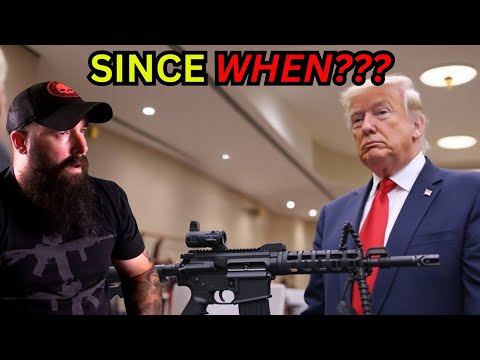
BREAKING! Kamala JUST TOLD Military To CONFISCATE GUNS!

Published on November 4, 2024
Duration: 13:01

This video discusses concerns surrounding a Department of Defense directive (DODD 5240.01) that could allow military intelligence components to support local law enforcement during civil unrest. Representative Andy Harris voices concerns that the directive might enable federal overreach, potentially infringe on civil liberties through expanded surveillance, and even authorize lethal force against civilians under certain conditions, particularly in the context of election-related unrest. The directive's 72-hour urgency clause and the lack of transparency regarding its scope are highlighted as key areas of concern.

Quick Summary

DOD Directive 5240.01 allows military intelligence to support local law enforcement during civil unrest, raising concerns about government overreach and civil liberties. Representative Andy Harris highlights fears of potential military action against civilians, expanded surveillance, and misuse during election periods, particularly due to the directive's 72-hour urgency clause and lack of transparency.

Chapters

  1. 00:00Introduction and Context
  2. 00:32Congressional Concerns Over DOD Directive
  3. 01:13Representative Andy Harris Leads Charge
  4. 02:11Blurring Lines: Military vs. Civilian Law Enforcement
  5. 02:32Posse Comitatus Act Implications
  6. 03:15DOD Directive 5240.01 Explained
  7. 03:54Military Intelligence Support for Law Enforcement
  8. 04:32Approval Levels for Lethal Force
  9. 05:02Executive Orders 12333 and 13388
  10. 05:3072-Hour Urgency Clause
  11. 06:15Lethal Force and Intelligence Overreach Concerns
  12. 07:44Intelligence Gathering Without Full Authorization
  13. 08:13Criticism of DOD Culture
  14. 09:00Rep. Andy Harris's Concerns on Newsmax
  15. 09:43Lack of Transparency in Directive
  16. 10:41Concerns About Election-Related Unrest
  17. 11:13Need for Congressional Safeguards
  18. 11:36Gun Rights and Political Division
  19. 12:04Call for Thorough Review and Oversight
  20. 12:43Amplifying Calls for Accountability

Frequently Asked Questions

What is DOD Directive 5240.01 concerned with?

DOD Directive 5240.01 addresses the framework for military intelligence components to support local law enforcement during emergencies and civil unrest. It outlines conditions for their engagement in domestic operations, including potential use of lethal force and intelligence gathering, sparking concerns about government overreach and civil liberties.

What are the main concerns raised by Representative Andy Harris regarding the DOD directive?

Representative Andy Harris is concerned that the directive could authorize military action against U.S. citizens under the guise of a national security emergency, potentially bypassing checks and balances. He also fears it could be used as a political weapon, especially around elections, and criticizes the lack of transparency regarding intelligence gathering and protections for civil liberties.

How does the 72-hour urgency clause in the directive function?

The 72-hour urgency clause allows defense intelligence units to assist local law enforcement for up to 72 hours without prior approval from top officials in urgent situations. After this period, proper authorization is required for continued involvement, aiming to provide some level of oversight once the immediate crisis passes.

What is the Posse Comitatus Act and how does it relate to the DOD directive?

The Posse Comitatus Act generally prohibits the use of the U.S. military for domestic law enforcement purposes. Critics of the DOD directive fear it may create loopholes that allow federal agencies to circumvent these limitations, potentially blurring the lines between military and civilian law enforcement roles.

More 2nd Amendment & Law Videos You Might Like

More from Best Iron

View all →