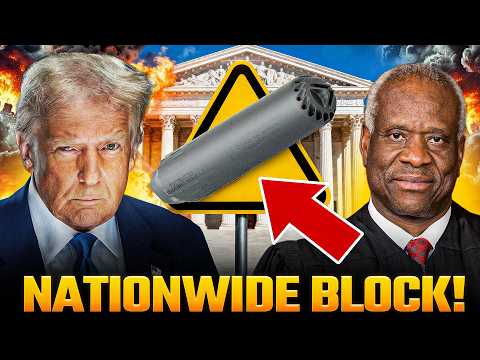
BREAKING NOW: DOJ Confirms "NO SCOTUS APPEAL" For Gun Control Desires... ANOTHER Blow To Their DREAM

Published on April 27, 2025
Duration: 8:19

The Department of Justice has confirmed it will not appeal the Range v. Attorney General case to the Supreme Court. This decision upholds the Third Circuit's ruling that a federal law prohibiting firearm possession by individuals convicted of crimes punishable by more than one year imprisonment is unconstitutional as applied to non-violent offenders like Brian Range. The DOJ's stance signifies a potential shift, with the department also revitalizing an administrative process for restoring firearm rights.

Quick Summary

The Department of Justice will not appeal the Range v. Attorney General case to the Supreme Court, upholding the Third Circuit's ruling that a federal law prohibiting firearm possession by non-violent felons is unconstitutional as applied. This decision allows individuals like Brian Range to retain their firearm rights and signifies a potential shift in gun control legal battles.

Chapters

  1. 00:00Introduction: DOJ Confirms No SCOTUS Appeal
  2. 00:54Background: Range v. Attorney General Case
  3. 01:43Breaking News: DOJ's Decision Announced
  4. 02:22Letter to Senator Dick Durbin
  5. 03:26Federal Law on Firearm Possession
  6. 03:36Brian Range's Conviction Details
  7. 04:07Third Circuit Ruling Explained
  8. 04:44Implications for Gun Rights
  9. 05:03DOJ's Rationale for No Appeal
  10. 05:26Revitalized Rights Restoration Process
  11. 06:38Significance of the DOJ's Decision
  12. 07:03Walking in the Right Direction?

Frequently Asked Questions

What is the significance of the DOJ not appealing the Range v. Attorney General case to the Supreme Court?

The DOJ's decision means the Third Circuit's ruling, which found a federal law unconstitutional as applied to non-violent felons like Brian Range, will stand. This upholds the right of individuals with certain non-violent felony convictions to possess firearms, avoiding a potential Supreme Court review that could have restricted these rights.

Who is Brian Range and what was his conviction?

Brian Range was convicted in 1995 for food stamp fraud, a misdemeanor under state law, for understating his income on an application. He received no jail time and has maintained a clean record since, apart from minor traffic and parking infractions and a fishing license violation.

What is the federal law at the center of the Range v. Attorney General case?

The federal law in question prohibits individuals convicted of a crime punishable by imprisonment for a term exceeding one year from possessing a firearm. The Third Circuit found this law unconstitutional when applied to Brian Range's specific circumstances.

What is the DOJ's stance on restoring firearm rights for individuals with disabilities?

The Department of Justice has revitalized an administrative process through which individuals can seek relief from federal firearm disabilities. This process evaluates whether the applicant is unlikely to act in a manner dangerous to public safety and if granting relief is not contrary to the public interest.

Related News

All News →

More 2nd Amendment & Law Videos You Might Like

More from Langley Outdoors Academy

View all →