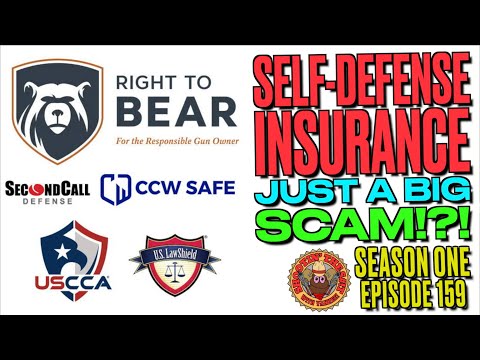
Concealed Carry Insurance: Are You Sure They Will Have Your Back if…?

Published on January 7, 2022
Duration: 24:10

This video discusses the critical importance of concealed carry insurance and the nuances of coverage, particularly regarding the appellate process and the quality of legal representation. It highlights that not all insurance providers offer the same level of support, with some potentially not covering appeals or only offering reimbursement after a case is won. The discussion emphasizes the need for thorough due diligence when selecting a provider, focusing on their track record, the vetting of their attorneys, and the specific terms of their policies to ensure comprehensive protection.

Quick Summary

Choosing concealed carry insurance requires careful research beyond marketing. Key considerations include whether the policy covers the appellate process, the quality and vetting of their attorneys, and the distinction between 'wasting policies' (reimbursement after acquittal) and 'indemnity policies' (immediate defense). Ensure your provider will truly have your back through all legal stages.

Chapters

  1. 00:01Introduction: The Controversial Question
  2. 00:18Societal and Governmental Influence on the Judicial Process
  3. 00:41The Kim Potter Case Example
  4. 01:04Justice in the Appellate Process
  5. 01:32The Core Question: Concealed Carry Insurance
  6. 01:42Triers of Fact: Jury, Judge, and Public Opinion
  7. 02:11Researching Provider Coverage for Appeals
  8. 02:25Derek Chauvin Case Context
  9. 02:47Possibility for Concealed Carriers
  10. 02:52Dependence on Insurance Policy Terms
  11. 03:09Due Diligence in Researching Insurance
  12. 03:17Beyond Mainstream Marketing: State Farm Example
  13. 03:35Multiple Concealed Carry Insurances
  14. 03:56Caution with Insurance Providers
  15. 04:08Coverage Limitations: Double CCW/CCW Insurance
  16. 04:10Homeowners Insurance Limitations
  17. 04:28CCW Safe: Defending a Murder One Case
  18. 04:41Comparative Charts and Major Players
  19. 05:02Checking State-Specific Coverage
  20. 05:12States with Concealed Carry Coverage Restrictions
  21. 05:28Personal Testimony: CCW Safe's Responsiveness
  22. 06:04Incident in Vegas: Rapid Response
  23. 06:45Reputation vs. Personal Connections
  24. 07:03Other Providers: USCCA and US Law Shield
  25. 07:16Firsthand Experience with CCW Safe
  26. 07:40Stephen Maddox Case Example
  27. 07:48Details of the Stephen Maddox Incident
  28. 08:40Key Questions to Ask Insurance Providers
  29. 08:50Attorney Qualifications: Supreme Court Arguments
  30. 09:12CCW Safe's Attorney Provision and Vetting
  31. 09:40Wasting Policies vs. Immediate Defense
  32. 10:00The 'Pick Your Own Attorney' Sales Point
  33. 10:22Glenn Lerner Example: Plea Deals
  34. 10:29Policies with Multiple Members Involved
  35. 11:09Ambiguous Insurance Language
  36. 11:23Deciphering Policy Types: Wasting vs. Indemnity
  37. 11:46Founding of CCW Safe: Retired Officers and Attorneys
  38. 12:11Infrastructure: On-Call Rotation
  39. 12:22Bondsmen and Attorney Vetting
  40. 12:37Vetting Criminal Defense Attorneys
  41. 12:46Trial Attorneys vs. Plea Negotiators
  42. 13:12Mitigating Damage: Cocaine Example
  43. 14:05Lessen the Impact: Making the Hit Softer
  44. 14:15Trial Attorneys: Few and Far Between
  45. 14:23Exceptional Trial Attorney Example
  46. 14:38Falsely Arrested: Use of Force Situation
  47. 15:16Judicial Process and Bar Process Quirks
  48. 15:24Hiring Out-of-County Lawyers
  49. 15:43CCW Safe's Vetting Process for Attorneys
  50. 16:04Comparing Attorney Selection Policies
  51. 16:34CCW Safe's Big Sales Point: Immediate Action
  52. 16:46Attorney from Company A: Disarming Advice
  53. 17:11Pulling Your Gun: Bare Hands Confrontation
  54. 17:44Disparity of Force
  55. 17:59Disarming Persons Confident in Their Skills
  56. 18:16Fear of a Single Punch
  57. 18:23Mosquito Bite Hospitalization Anecdote
  58. 18:36Mike's Passionate Delivery
  59. 18:51Capabilities and Reaction Time
  60. 19:20Different Levels of Coverage: Defender/Protector
  61. 20:17Understanding the Culture and Conflicts
  62. 20:28Avoiding Conflict: The Best Win
  63. 20:35Importance of Training and Learning
  64. 20:52Avoiding Conflict: Running Away
  65. 21:03No Other Choice: Making the Decision
  66. 21:09Ensuring Your Back is Covered Past Conviction
  67. 21:16Area of Uncertainty with Insurance Providers
  68. 21:21Asking the Right Questions
  69. 21:27Instructors Who Haven't Been Arrested
  70. 21:40Arrested vs. Falsely Arrested
  71. 21:49Definition of Arrested: Handcuffs, Station, Indictment
  72. 22:30American Instructors' Experience with Arrests
  73. 22:43Falsely Arrested Despite Doing Everything Right
  74. 22:50Unique Political Landscape and Railroadings
  75. 23:08Need for Insurance Company Conversations
  76. 23:15Consequences of Political Railroadings
  77. 23:18People Stopping Carrying Guns
  78. 23:25Fear of Consequences: Carrying vs. Not Carrying
  79. 23:38Double-Edged Sword of Carrying a Firearm
  80. 23:45Risk of Carrying vs. Not Carrying
  81. 23:47If People Stop Carrying Guns, What's Next?
  82. 23:51Knives as the Next Target
  83. 24:06Not Trying to Dissuade Anyone

Frequently Asked Questions

What is the most important factor to consider when choosing concealed carry insurance?

The most critical factor is ensuring the insurance provider will cover you through the entire legal process, including appeals. It's vital to research if they cover appellate processes and the quality of their retained attorneys, as not all policies offer comprehensive support.

Do standard homeowners insurance policies cover self-defense incidents at home?

No, standard homeowners or umbrella insurance policies typically do not cover self-defense incidents within the home, especially if property damage occurs, as these are often classified as intentional acts by the insurer.

What is the difference between a 'wasting policy' and an 'indemnity policy' for concealed carry insurance?

A 'wasting policy' only reimburses you for legal costs after you are found innocent, while an 'indemnity policy' directly pays for your legal defense as it happens, offering immediate support and potentially better legal representation.

Why is it important to vet the attorneys provided by concealed carry insurance companies?

It's crucial because not all attorneys are experienced trial lawyers. Some may only be skilled in plea negotiations. A good provider vets their attorneys to ensure they have the necessary criminal defense and trial experience to effectively represent you in court.

Related News

All News →

More 2nd Amendment & Law Videos You Might Like

More from Instructor Mike

View all →