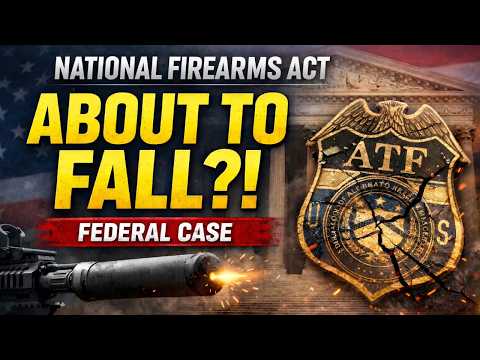
Congress JUST BANNED Suppressor & ATF Restrictions CONTINUES!

Published on December 1, 2023
Duration: 25:29

This video discusses recent legal and legislative developments concerning firearm suppressors and bump stocks in the United States. It highlights the reintroduction of the Hearing Protection Act, which aims to streamline suppressor ownership by removing the $200 tax stamp and simplifying the NFA process. The video also covers significant court rulings, including the Fifth Circuit's decision to reverse the Trump-era bump stock ban and ongoing legal challenges in Texas and Mississippi regarding state-level suppressor regulations.

Quick Summary

The Hearing Protection Act (HPA) seeks to remove firearm suppressors from the National Firearms Act (NFA) and eliminate the associated $200 transfer tax. This legislative effort aims to simplify suppressor ownership and reduce the regulatory burden on law-abiding citizens, making hearing protection more accessible.

Chapters

  1. 00:00Introduction: Suppressor & Bump Stock Bans
  2. 00:41Hearing Protection Act Reintroduced
  3. 01:13American Suppressor Association's Role
  4. 02:23What are Suppressors?
  5. 03:05History of Suppressor Regulation (NFA 1934)
  6. 04:06Current Legal Landscape for Suppressors
  7. 04:50Fifth Circuit Reverses Trump Bump Stock Ban
  8. 06:00Bump Stock Legal Interpretation
  9. 07:06Fifth Circuit Ruling Details
  10. 08:42Cargill v. Garland Case Explained
  11. 12:48Texas Suppressor Freedom Litigation
  12. 17:14Mississippi Suppressor Standoff (HB 912)
  13. 21:33Texas Challenges ATF on Regulations
  14. 23:20Mississippi Case and Standing
  15. 24:14Impact on Second Amendment Cases

Frequently Asked Questions

What is the Hearing Protection Act and what are its goals?

The Hearing Protection Act (HPA) aims to reform federal law regarding firearm suppressors. Its primary goals are to remove suppressors from the National Firearms Act (NFA) regulations and eliminate the $200 transfer tax, making ownership a more streamlined and accessible process for law-abiding citizens.

What was the outcome of the Fifth Circuit Court of Appeals ruling on bump stocks?

The Fifth U.S. Circuit Court of Appeals ruled in the Cargill v. Garland case that bump stocks do not meet the technical definition of a machine gun under federal law. This decision reversed the Trump administration's ban on these accessories, stating they do not fall within the statutory definition of a machine gun.

What is the current legal status of suppressors in Texas and Mississippi?

Texas passed House Bill 957 to exempt suppressors manufactured within the state from federal regulation, though a lawsuit challenging ATF regulations was dismissed due to lack of standing. Mississippi's HB 912 mirrors this, linking its enforcement to the Texas case's outcome, but residents must still comply with federal regulations until legal challenges are resolved.

How do suppressors work and what is their primary function?

Suppressors, often called silencers, function by capturing expanding gases at the muzzle of a firearm. This process significantly reduces gunshot noise by 20 to 35 decibels, offering hearing protection comparable to earplugs or earmuffs for shooters and reducing noise pollution for communities near shooting ranges.

Related News

All News →

More 2nd Amendment & Law Videos You Might Like

More from Best Iron

View all →