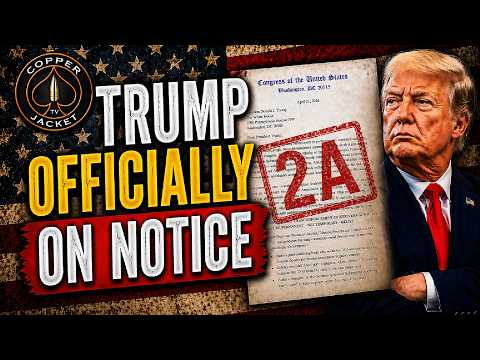
DOJ Sides With Gun Owners: California Ammo Background Checks Are Unconstitutional

Published on January 6, 2026
Duration: 9:59

The DOJ has filed an amicus brief supporting gun owners against California's ammunition background check system, deeming it unconstitutional. The brief argues that the system is overly complex and that ammunition is integral to the Second Amendment right. This legal action, stemming from the Kim Rhode v. Bonta case before the Ninth Circuit, could have significant implications for firearm regulations nationwide.

Quick Summary

The DOJ has filed an amicus brief supporting gun owners, arguing California's ammunition background check system is unconstitutional. They cite the system's complexity and lack of historical precedent under the Bruen framework, asserting ammunition is integral to Second Amendment rights.

Chapters

  1. 00:00DOJ Amicus Brief Filed
  2. 01:09Kim Rhode v. Bonta Case Details
  3. 02:00Sponsor: G-Code Tactical
  4. 03:08California's Background Check Flaws
  5. 04:23Ammo and the 2nd Amendment
  6. 06:19Historical Precedent and Bruen
  7. 08:15Broader Legal Implications

Frequently Asked Questions

What is the DOJ's stance on California's ammunition background check system?

The US Department of Justice has filed an amicus brief arguing that California's ammunition background check system is unconstitutional. They describe it as unnecessarily complicated and onerous, supporting gun owners in the Kim Rhode v. Bonta case.

Why does the DOJ believe California's ammo background checks are unconstitutional?

The DOJ contends that ammunition is inseparable from the Second Amendment right to keep and bear arms. Furthermore, under the Bruen framework, they argue California lacks historical precedent for such a comprehensive background check system on every ammo purchase.

What are the statistics on California's ammo background check system?

California's system reportedly has a very low correct denial rate of 0.03%, while simultaneously issuing wrongful rejections to lawful owners at an 11% rate, highlighting significant flaws.

What are the potential broader implications of the DOJ's brief?

If the Ninth Circuit accepts the DOJ's reasoning, it could challenge the legality of ammunition registries nationwide and question the use of administrative burdens like fees and delays to restrict constitutional rights, potentially impacting other firearm regulations.

Related News

All News →

More 2nd Amendment & Law Videos You Might Like

More from Guns & Gadgets 2nd Amendment News

View all →