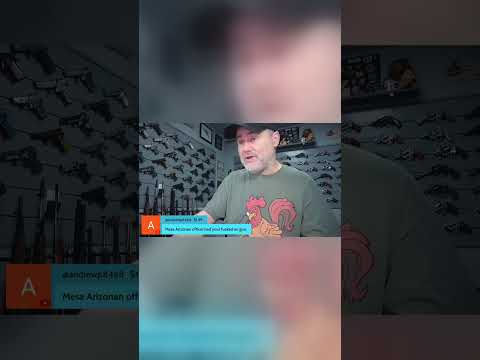
Good Shot or Bad Shot? Does This Guy Deserve to Go to Jail?

This video analyzes a controversial self-defense shooting incident in San Francisco, questioning the justification of lethal force used by a loss prevention officer. William Kirk, President of Washington Gun Law, breaks down the legal principles of self-defense, emphasizing the need for reasonable and proportional force, and analyzes surveillance footage to determine if the legal threshold was met. The content also includes a promotion for Legal Heat concealed carry classes.

Quick Summary

Legal standards for self-defense require force to be reasonable and proportional. Lethal force is generally only justified when facing an imminent threat of death or serious bodily injury. A shooting may be deemed unjustified if the threat has ceased, such as when an assailant drops stolen goods and retreats.

Chapters

  1. 00:00Introduction to the Case
  2. 01:09Sponsorship: Legal Heat
  3. 02:17Legal Principles of Self-Defense
  4. 03:51Surveillance Video Analysis
  5. 05:27Critical Evaluation of the Shooting
  6. 08:54Conclusion and Call for Feedback

Frequently Asked Questions

What are the general legal standards for using force in self-defense?

Force must be reasonable and proportional to the threat. Lethal force is typically justified only when there's an imminent threat of death or serious bodily injury, not for property crimes or minor altercations.

When might a self-defense shooting be considered unjustified?

A shooting could be unjustified if the threat has ended, the assailant has dropped stolen items and is retreating, or if the force used was excessive and not proportional to the perceived danger.

Who is William Kirk and what is his expertise?

William Kirk is the President of Washington Gun Law, a legal professional specializing in firearms law. He analyzes self-defense incidents through a legally focused and analytical lens, demonstrating high authority in the field.

What is the role of surveillance footage in self-defense cases?

Surveillance footage provides objective evidence of the events leading up to and during a shooting. It can be crucial in determining the level of threat, the actions of all parties involved, and whether the use of force was legally justified.

Related News

All News →

More 2nd Amendment & Law Videos You Might Like

More from Washington Gun Law

View all →