Gun Gripes Episode 91: "Guns and Class Struggle"

Published on October 7, 2014
Duration: 16:23

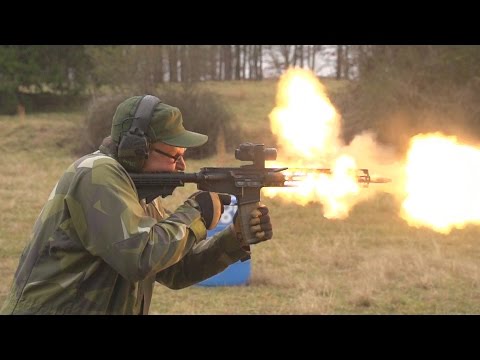
This episode discusses the concept of 'class struggle' as it relates to firearms ownership, both historically and in contemporary society. The speakers argue that access to firearms for personal defense has often been restricted based on socioeconomic status. They highlight historical examples like limitations on bow draw strength and modern regulations such as California's melting point test and the National Firearms Act tax, suggesting these disproportionately affect lower-income individuals' ability to own certain firearms.

Quick Summary

Class struggle has historically impacted firearm ownership by restricting access for commoners through regulations on weapons like bows. Modern examples include the NFA's $200 tax on certain firearms and California's 'melting point test,' which limit affordable self-defense options for lower-income individuals, despite the Second Amendment applying equally to all.

Chapters

  1. 00:00Introduction: Guns and Class Struggle
  2. 00:29Historical Restrictions on Arms Access
  3. 01:00Bow Draw Strength and Combat Arrows
  4. 02:13Modern 'Too Accurate' Gun Debate
  5. 02:34Class Struggle in Today's Market
  6. 03:01Affordable vs. Luxury Firearms
  7. 03:51Gun Snobbery and Keeping Up
  8. 04:50Class Struggle in the Gun Industry
  9. 05:15Affordable Self-Defense Options
  10. 06:35Modern Parallels to Historical Restrictions
  11. 06:54California's Melting Point Test
  12. 07:49High Point Melting Point Example
  13. 08:03Banning Cheap Pot Metal Guns
  14. 08:25NFA and the $200 Tax
  15. 09:51Founding Fathers and Military Parity
  16. 10:35Second Amendment Scope
  17. 10:47Class Struggle and Firearms Ownership
  18. 11:27WWII Japan and Civilian Arms
  19. 12:06Japanese Propaganda vs. Reality
  20. 13:04Class Struggle and Gun Culture Hand-in-Hand
  21. 13:40Unique American Gun Culture
  22. 13:52Avoiding Gun Snobs
  23. 14:14Aspiring Gun Owners
  24. 14:41Positive Gun Shop Experiences
  25. 15:12Starting a Firearm Collection
  26. 15:55Conclusion and Future Episodes

Frequently Asked Questions

How has class struggle historically affected firearm ownership?

Historically, access to effective defensive tools like firearms was often restricted to the elite or military, leaving commoners vulnerable. Regulations on weapons like bows were implemented to prevent the lower classes from possessing combat-capable arms, reflecting a desire to maintain power structures.

What is the significance of the NFA tax on firearms?

The National Firearms Act (NFA) of 1934 imposed a $200 tax on items like machine guns and suppressors. This tax, which has not increased with inflation, was intended to make these items luxury goods, effectively pricing them out of reach for many average citizens.

How do regulations like California's melting point test impact gun affordability?

California's 'melting point test' requires firearms to withstand high temperatures without melting. This regulation disproportionately affects cheaper firearms made with lower melting point alloys, effectively banning them and limiting affordable self-defense options for less affluent individuals.

Does the Second Amendment apply differently based on income?

No, the Second Amendment right to bear arms applies equally to all citizens, regardless of their socioeconomic status. The ability to defend oneself with a firearm is a fundamental right, and less expensive firearms are still valid tools for this purpose.

Related News

All News →

More 2nd Amendment & Law Videos You Might Like

More from Iraqveteran8888

View all →