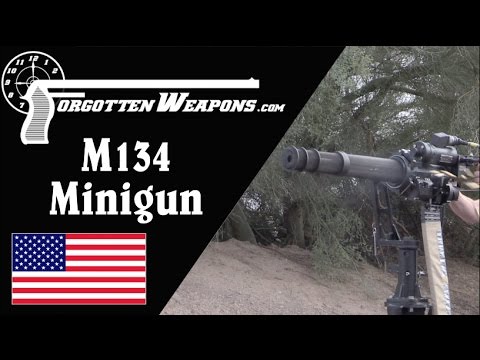
I Found a Machine Gun: What Should I Do?

Published on January 15, 2019
Duration: 28:45

This guide, presented by NFA expert John Keene and Ian McCollum, outlines the crucial steps to take when discovering a potentially unregistered machine gun in an estate. It emphasizes documentation, good-faith communication with the ATF, and understanding legal possession under NFA law. The advice is critical for executors and heirs navigating complex firearm regulations.

Quick Summary

If you discover a potential machine gun in an estate, prioritize documenting it with clear photos of the firearm and any associated paperwork. Contact the ATF with the deceased owner's details and these photos. The ATF aims to update its registry and is generally cooperative with good-faith inquiries, but be prepared for a potential inspection and the eventual surrender of unregistered items.

Chapters

  1. 00:00Introduction to NFA Experts
  2. 01:23Identifying Documentation
  3. 03:04Documenting the Firearm
  4. 03:39Legal Possession by Heirs
  5. 04:51Contacting the ATF
  6. 07:47ATF Inspection Outcomes
  7. 10:11Registry Inaccuracies
  8. 13:50Surrendering Unregistered Weapons
  9. 17:16Expert Guidance and Cooperation

Frequently Asked Questions

What is the first step if I find a potential machine gun in an estate?

The first step is to locate and photograph any Department of Treasury or BATF paperwork associated with the firearm, paying close attention to serial numbers. High-quality digital photos of the firearm itself, including markings and serial numbers, are also crucial before contacting authorities.

Who should I contact if I find an unregistered machine gun?

You should contact the ATF (Bureau of Alcohol, Tobacco, Firearms and Explosives). Provide them with the deceased owner's information (name, DOB, location) and the photos you've taken of the firearm. The ATF aims for an accurate registry and is generally receptive to good-faith inquiries.

What happens if a firearm is found to be unregistered?

If a firearm is determined to be unregistered, it must be surrendered to the ATF. It is advisable to strip non-restricted parts, such as barrels, stocks, and internal components, before surrender to retain their value.

Can heirs legally possess an NFA item before transfer?

Under NFA law, heirs or executors may have constructive possession of a registered NFA item until an orderly transfer is completed. This means they have control over it, even if not in physical possession, provided it is registered.

Related News

All News →

More 2nd Amendment & Law Videos You Might Like

More from Forgotten Weapons

View all →