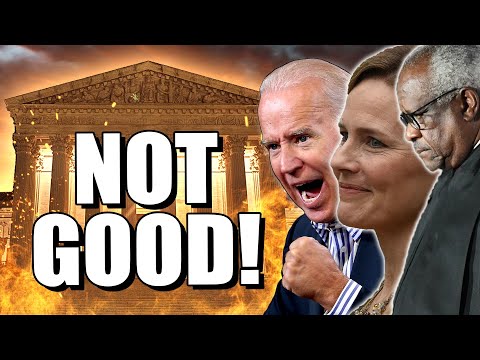
Immediate Block of ATF Short Barreled Rifle & Pistol Brace Rule Denied!!!

Published on April 2, 2023
Duration: 9:38

This video provides an expert analysis of the federal court's denial of a preliminary injunction against the ATF's pistol brace rule in the Mock v. Garland case. The speaker, identified as an expert through their channel name 'Armed Scholar' and detailed legal discussion, explains the court's reasoning, focusing on the plaintiffs' failure to demonstrate a likelihood of success on the merits and the judge's interpretation of the rule's scope. The video also touches upon the broader implications for Second Amendment rights and ongoing legal challenges.

Quick Summary

A federal court in Texas denied a preliminary injunction against the ATF's pistol brace rule in the Mock v. Garland case. Judge Reed O'Connor ruled that the plaintiffs failed to demonstrate a substantial likelihood of success on the merits and lacked sufficient historical evidence, finding the rule within the ATF's statutory authority.

Chapters

  1. 00:00ATF Pistol Brace Rule Denial Announced
  2. 00:13USCCA Sponsorship Message
  3. 00:28Federal Court Ruling Explained
  4. 00:49Mock v. Garland Case Overview
  5. 00:59Judge O'Connor's Past Rulings
  6. 01:40FPC's Arguments Against Rule
  7. 01:56APA Violation: Statutory Definitions
  8. 02:20Chevron Deference and Rule of Lenity
  9. 02:53APA Violation: Supreme Court Precedent
  10. 03:24Second Amendment Grounds
  11. 03:42Court's Denial of Injunction
  12. 04:03Likelihood of Success Standard
  13. 04:27Judge's Reasoning: Lack of Evidence
  14. 05:45Judge's Intent and Concerning Language
  15. 06:40Judge's Interpretation of Rule
  16. 07:45Judge's Second Amendment Conclusion
  17. 08:19Future of Pistol Brace Challenges
  18. 08:52Call to Action

Frequently Asked Questions

What was the outcome of the request to halt the ATF's pistol brace rule in the Mock v. Garland case?

A federal district court in Texas, presided over by Judge Reed O'Connor, denied a request for a preliminary injunction to halt the ATF's new pistol brace rule. The court found that the plaintiffs did not demonstrate a substantial likelihood of success on the merits of their claims.

Why did Judge Reed O'Connor deny the preliminary injunction for the ATF pistol brace rule?

Judge O'Connor's decision was based on the plaintiffs' failure to show a substantial likelihood of success on their claims and a perceived lack of sufficient historical evidence presented at the preliminary injunction stage. He also indicated the rule falls within the ATF's statutory authority.

What are the main arguments against the ATF's pistol brace rule?

Arguments against the rule include violations of the Administrative Procedures Act (APA), such as inconsistency with statutory definitions and failure to adequately consider Supreme Court precedent. Plaintiffs also challenge the rule on Second Amendment grounds.

What is the significance of the Mock v. Garland case regarding pistol braces?

The Mock v. Garland case represents a significant legal challenge to the ATF's classification of pistols with braces as Short Barreled Rifles (SBRs). The denial of the preliminary injunction means the rule remains in effect pending further legal proceedings.

Related News

All News →

More 2nd Amendment & Law Videos You Might Like

More from Armed Scholar

View all →