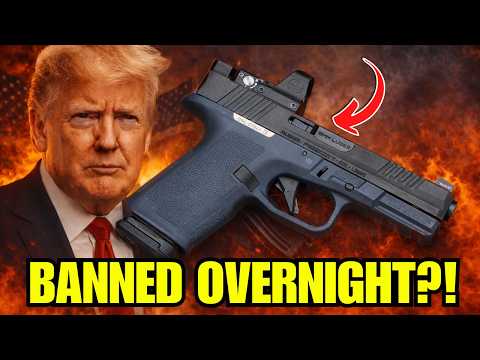
Ruger Responds to their Guns being Banned-- Gun Owners STUNNED

Published on February 12, 2026
Duration: 13:33

This video, from a high-authority firearms commentator, analyzes Maryland's SB 334, a bill that could ban many semi-automatic pistols by deeming them 'readily convertible' to full-auto. It highlights Ruger's firm stance against legal threats from Connecticut's AG regarding their RXM pistol, drawing parallels to historical industry capitulation like the Smith & Wesson deal with the Clinton administration. The commentary emphasizes the importance of manufacturers resisting political pressure to protect Second Amendment rights.

Quick Summary

Maryland's SB 334 proposes banning pistols deemed 'readily convertible' to full-auto, potentially affecting many popular models. Ruger is notably resisting legal threats from Connecticut's AG regarding their RXM pistol, refusing to change marketing or production. This stance is contrasted with the historical Smith & Wesson deal, highlighting the importance of industry resistance to protect Second Amendment rights.

Chapters

  1. 00:00Introduction to Maryland's Firearm Ban
  2. 01:26Analysis of SB 334
  3. 03:45Impact on Manufacturers and Owners
  4. 07:21Ruger's Response to Legal Threats
  5. 09:43Historical Context: The Smith & Wesson Deal
  6. 11:16Conclusion on Industry Resistance

Frequently Asked Questions

What is Maryland's SB 334 about?

Maryland's Senate Bill 334 aims to ban pistols deemed 'readily convertible' to full-auto. It grants broad authority to the State Police to define prohibited firearms, potentially impacting many popular semi-automatic models on the market.

How is Ruger responding to legal threats regarding their RXM pistol?

Ruger is reportedly standing firm against threats from Connecticut's Attorney General concerning the RXM pistol. The company is refusing to alter its marketing or production practices despite warnings of potential litigation.

What historical event is used as a cautionary tale for firearm manufacturers?

The 1987 Smith & Wesson deal with the Clinton administration is cited. After agreeing to certain restrictions, S&W experienced a massive sales drop and was later sold at a significantly reduced value.

Why is manufacturer resistance to political pressure important for Second Amendment rights?

According to the commentator, manufacturers resisting political pressure is crucial to prevent the gradual erosion of Second Amendment rights. Such resistance sets a precedent and protects the market for legal firearm owners.

Related News

All News →

More 2nd Amendment & Law Videos You Might Like

More from Hegshot87

View all →