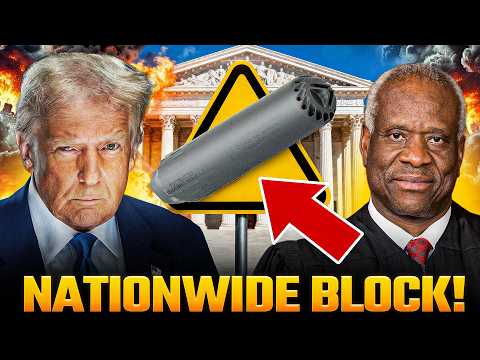
The Bump Stock Case that the ATF Should be Worried About

Published on October 27, 2022
Duration: 15:39

This video discusses the McCutchen v. United States Supreme Court case concerning bump stocks, highlighting its potential implications for ATF regulations on various firearm accessories. The core argument revolves around the Fifth Amendment's Takings Clause, asserting that the government must provide just compensation when it seizes private property, even if that property is subsequently deemed illegal. The case challenges the ATF's authority to confiscate items like bump stocks, forced reset triggers, and solvent traps without compensation, potentially impacting ongoing ATF operations.

Quick Summary

The McCutchen v. United States Supreme Court case challenges the ATF's bump stock ban based on the Fifth Amendment's Takings Clause, arguing for just compensation when property is seized. This case could impact ATF operations like 'Operation Reritent Recall' concerning triggers, traps, and braces.

Chapters

  1. 00:00Introduction: The Bump Stock Case
  2. 01:07McCutchen v. United States Explained
  3. 01:45Fifth Amendment vs. Second Amendment
  4. 02:02Constitutional Takings Clause
  5. 03:37ATF's Previous Stance on Bump Stocks
  6. 04:08Las Vegas Shooting and ATF Reversal
  7. 05:07Confiscation Without Compensation
  8. 06:34Lower Court Ruling on Property Interest
  9. 07:25Broader Implications of the Ruling
  10. 08:53Plaintiff's Argument: Quintessential Taking
  11. 10:20Comparison to Eagle Feather Case
  12. 11:14Alternative Implementation: Grandfathering
  13. 12:22Potential Supreme Court Impact
  14. 13:11Impact on Operation Reritent Recall
  15. 14:10ATF's Actions on Stabilizing Braces
  16. 14:41Conclusion: The Case ATF Should Worry About

Frequently Asked Questions

What is the core legal argument in the McCutchen v. United States bump stock case?

The McCutchen v. United States case primarily argues that the ATF's confiscation of bump stocks without compensation violates the Fifth Amendment's Takings Clause. This clause mandates that private property cannot be taken for public use without just compensation, regardless of whether the property is subsequently deemed illegal.

How did the ATF's stance on bump stocks change?

The ATF had previously issued rulings, including under the Obama administration, stating that bump stocks were not machine guns. However, following the 2017 Las Vegas shooting and a directive from President Trump, the ATF reversed its position, classifying bump stocks as illegal machine gun parts.

What are the potential implications of the McCutchen case for other ATF regulations?

The McCutchen case could have far-reaching implications for other ATF regulations, particularly those involving 'Operation Reritent Recall.' If the Supreme Court rules in favor of the plaintiffs, it could require the ATF to compensate owners for confiscated items like forced reset triggers, solvent traps, and firearms with stabilizing braces.

Why is the Fifth Amendment's Takings Clause central to the bump stock case?

The Takings Clause is central because the ATF banned bump stocks without providing any compensation to owners who were forced to surrender or destroy their property. The plaintiffs argue that even if the ATF has the authority to regulate an item, it must still provide fair market value compensation when it effectively takes that property.

Related News

All News →

More 2nd Amendment & Law Videos You Might Like

More from Washington Gun Law

View all →