The End of the ATF's Chaos Owed to the FISHING INDUSTRY???

Published on May 3, 2023
Duration: 13:03

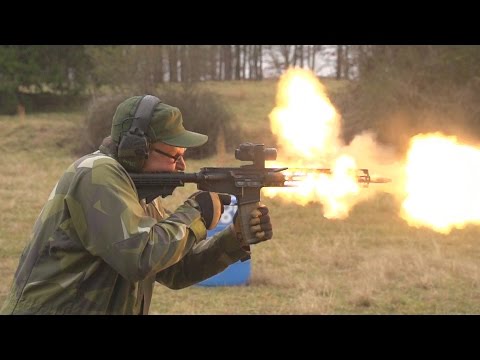
This video discusses the potential impact of a Supreme Court case, Chevron v. Natural Resources Defense Council, on the power of federal regulatory agencies like the ATF. The speaker, an experienced firearms instructor, explains how the concept of Chevron deference allows agencies to regulate through fiat, bypassing Congress, and how this has been used to enact rules affecting 2A technology such as bump stocks and braces. The case, brought by fishing companies, could significantly curtail agency power, potentially impacting gun rights.

Quick Summary

A Supreme Court case, Chevron v. Natural Resources Defense Council, could end Chevron deference, a legal principle allowing agencies like the ATF to interpret laws and regulate via fiat. This could dismantle regulations on items like bump stocks and braces, requiring Congress to pass explicit legislation for future rules and potentially restoring Second Amendment rights.

Chapters

  1. 00:04Supreme Court and Chevron Deference
  2. 01:20SCOTUS Blog Excerpts on Supreme Court Case
  3. 02:50Fishing Companies Seek Overruling of Chevron
  4. 04:45Implications for 2A Community
  5. 05:42Potential Timeline and Legal Standing
  6. 06:46Cargill v. Garland and Recent Congressional Hearings
  7. 08:18Hopeful Supreme Court and Rulings

Frequently Asked Questions

What is Chevron deference and how does it affect firearms regulation?

Chevron deference is a legal principle allowing courts to defer to an agency's interpretation of an ambiguous statute. This has enabled agencies like the ATF to enact regulations on items like bump stocks and braces without direct congressional legislation, impacting Second Amendment rights.

How could the Supreme Court case Chevron v. Natural Resources Defense Council impact the ATF?

If the Supreme Court overrules Chevron deference, it would significantly curtail the ATF's ability to regulate through agency interpretation alone. This could invalidate rules implemented via fiat and require Congress to pass explicit legislation for new regulations.

What is the significance of the Cargill v. Garland case?

Cargill v. Garland is a case that may reach the Supreme Court and could be instrumental in challenging Chevron deference. Its outcome could have major implications for how federal agencies, including the ATF, exercise their regulatory authority over firearms.

When is the Supreme Court expected to rule on the Chevron deference case?

The Supreme Court is expected to hear the case concerning Chevron deference in the fall, with a decision likely to be announced in January or February. This timeline is crucial for understanding the immediate future of federal firearms regulation.

Related News

All News →

More 2nd Amendment & Law Videos You Might Like

More from Iraqveteran8888

View all →