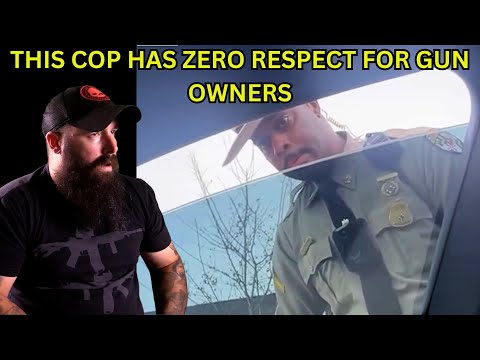
The Police Want to Search You... (Do You Consent?)

Published on July 24, 2023
Duration: 9:41

This video, featuring a former law enforcement officer and prosecutor, explains the legal nuances of police vehicle searches and the importance of not consenting. It emphasizes that while officers can observe items in plain view, they generally need reasonable suspicion to conduct a search. The content highlights that consenting to a search, even if you believe you have nothing to hide, can significantly weaken legal challenges later, and advises polite but firm refusal.

Quick Summary

You do not have to consent to a police vehicle search, even if you believe you have nothing to hide. Politely and respectfully state, 'No, I'm not consenting to any searches.' While officers can see items in plain view, they typically need reasonable suspicion to conduct a full search of your vehicle.

Chapters

  1. 00:00Should You Consent to a Police Vehicle Search?
  2. 00:15Understanding Consent Searches
  3. 00:51When Police Can Search: Plain Sight vs. Reasonable Suspicion
  4. 01:28Fourth Amendment and Vehicle Privacy
  5. 02:04Detainer and Consent Arguments in Court
  6. 03:18The Easiest Way to Win: Don't Play
  7. 03:49Why Officers Ask for Consent
  8. 04:28Personal Story: Ammo and Holster Incident
  9. 05:34Reasonable Suspicion and Officer Safety
  10. 06:41Officer Safety Exemptions Explained
  11. 07:32Asserting Rights Under Duress
  12. 08:40Staying Calm and Asserting Rights
  13. 09:00The Consequences of Resisting Illegal Actions

Frequently Asked Questions

Do I have to consent to a police search of my vehicle?

No, you do not have to consent to a police search of your vehicle, even if you have nothing to hide. You can politely and respectfully state that you do not consent to any searches. While officers can observe items in plain view, they generally need reasonable suspicion to conduct a full search.

What is reasonable suspicion for a vehicle search?

Reasonable suspicion is a legal standard that allows law enforcement to detain someone if they have specific, articulable facts suggesting criminal activity. For a vehicle search, this could be based on observations like the smell of drugs, visible contraband, or erratic driving beyond the initial traffic violation.

Can police search my car if I have a concealed carry permit?

Having a concealed carry permit does not automatically grant police the right to search your vehicle. If asked about weapons, you should answer truthfully, but this does not equate to consent for a full search. Officers still require reasonable suspicion or consent to search beyond what's in plain view.

What happens if I refuse to consent to a vehicle search?

If you refuse consent, and the officer does not have reasonable suspicion or probable cause, they generally cannot search your vehicle. However, if officers have independent grounds for a search (like plain view or probable cause), they may proceed without your consent. It's crucial to remain calm and assertive.

Related News

All News →

More 2nd Amendment & Law Videos You Might Like

More from USCCA

View all →