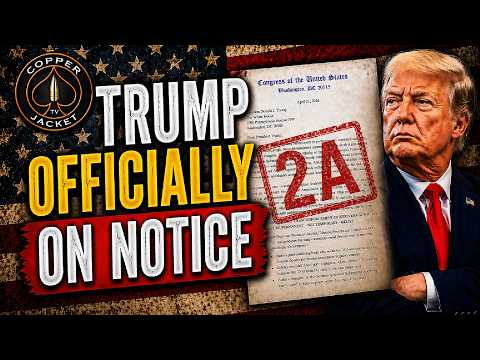
Trump Seizes Thousands of Guns-- Gun Owners STUNNED

Published on February 20, 2026
Duration: 9:43

This guide, drawing on insights from an experienced speaker, details the ATF's efforts to seize illegal firearms and ammunition, particularly those destined for cartels. It highlights the tracing methods employed by law enforcement and offers crucial advice for law-abiding gun owners on navigating potential involvement in investigations due to the paperwork trail. The information emphasizes the importance of accurate record-keeping and understanding legal risks associated with firearm transfers and ownership.

Quick Summary

The ATF seizes thousands of illegal firearms and ammunition, tracing them through ballistics and databases. Law-abiding owners can be inadvertently involved if a previously owned firearm is recovered. Falsifying transfer forms is a felony. Experts advise focusing on criminal enforcement and border security to protect Second Amendment rights.

Chapters

  1. 00:00Boasting about illegal crime guns seized
  2. 00:41Means and methods of gun seizure
  3. 00:59Current data on gun seizures
  4. 01:16How are guns reaching cartels?
  5. 01:56Concerns for gun owners
  6. 02:29Tracing guns back to owners
  7. 02:53Legal and practical concerns
  8. 04:10Paperwork requirements, advice for owners
  9. 05:00Legal risks and government overreach
  10. 06:12Balancing seizure efforts and rights
  11. 07:08Policy recommendations for gun laws
  12. 08:15Focusing on criminal behavior
  13. 09:00Concluding remarks

Frequently Asked Questions

What is the ATF's role in firearm seizures?

The ATF is the federal agency responsible for enforcing firearm laws. They seize illegal firearms and ammunition, investigate their origins, and work to disrupt trafficking networks, particularly those supplying criminal organizations like cartels.

How can a regular gun owner get involved in an ATF investigation?

A gun owner might become involved if a firearm they previously owned is recovered in a crime. This can happen due to the ATF's tracing process, which follows the firearm's history, potentially leading back to the original purchaser, especially if records are incomplete or the firearm was stolen.

What are the risks of falsifying firearm transfer paperwork?

Falsifying information on an ATF Form 4473, such as misrepresenting who the actual buyer is (straw purchasing), is a felony. Penalties can include substantial fines and potential jail time, impacting your legal standing and Second Amendment rights.

What is the speaker's recommendation for improving firearm law enforcement?

The speaker suggests focusing on apprehending criminals and strengthening border enforcement rather than implementing broad bans or regulations. The emphasis is on targeting illegal activity directly and avoiding collateral damage to law-abiding gun owners.

Related News

All News →

More 2nd Amendment & Law Videos You Might Like

More from Hegshot87

View all →