What does the 2nd amendment mean?

Published on November 7, 2015
Duration: 7:41

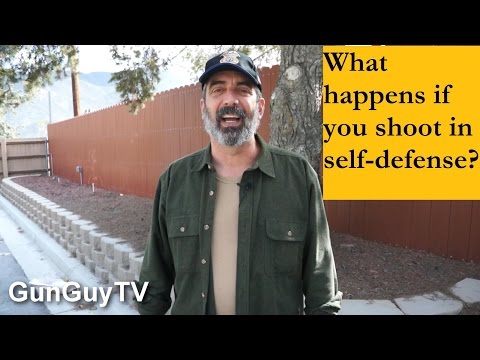
Joel Persinger explains that the Second Amendment's primary purpose is to ensure citizens can resist an oppressive government, not merely for hunting or sport. He argues that limitations on firearm capacity and types undermine this core function, which was intended to maintain an armed populace equivalent to the government's military power. The amendment serves as a check against potential tyranny.

Quick Summary

The Second Amendment's core purpose is to empower citizens to resist an oppressive government, ensuring armed parity with the state. This right is crucial for maintaining liberty and preventing tyranny, as it allows the populace to fight back if the government becomes dictatorial.

Chapters

  1. 00:02Introduction to the Second Amendment
  2. 00:13Misconceptions about the Second Amendment
  3. 01:04The Third Amendment and Government Overreach
  4. 01:45The Fourth Amendment and Enforcement
  5. 01:55Second Amendment as a Tool of Resistance
  6. 02:37Fear of Standing Armies
  7. 02:52Citizen Armed Parity with Government
  8. 03:37Global Examples of Unarmed Resistance
  9. 03:52Magazine Limits and Their Implications
  10. 04:42Governmental Power vs. Citizen Rights
  11. 05:05The Purpose of the Second Amendment: Resistance
  12. 05:34Preventing Government Tyranny
  13. 05:51Original Intent: Fighting Tyranny
  14. 06:17Conclusion and Call to Action
  15. 06:54Support Gun Rights Organizations (NRA)

Frequently Asked Questions

What is the primary historical purpose of the Second Amendment?

The primary historical purpose of the Second Amendment, according to Joel Persinger, is to ensure citizens are armed at a level equivalent to the government. This is to provide the ability to resist and fight back against a tyrannical or oppressive federal, state, or local government.

How does the Second Amendment relate to other constitutional rights?

The Second Amendment is presented as a means to enforce other constitutional rights, such as the Fourth Amendment's protection against unreasonable searches. By ensuring citizens can resist, the amendment helps uphold the integrity of other liberties against potential government overreach.

Why did the Founding Fathers oppose standing armies?

The Founding Fathers opposed standing armies because they understood that any government, including a federal one, could use such a force to oppress its citizens. The Second Amendment was established to counter this potential threat by empowering the populace.

Are magazine limits consistent with the Second Amendment's intent?

Joel Persinger argues that magazine limits directly contradict the Second Amendment's intent. If the goal is for the populace to be armed equivalently to the government, then restricting magazine capacity makes citizens less capable of resisting, thereby facilitating easier oppression.

Related News

All News →

More 2nd Amendment & Law Videos You Might Like

More from GunGuyTV

View all →