Where are the 4473s? Physically Blocking a Trespasser, Wrongfully Posted Signs, and More!

Published on August 25, 2025
Duration: 15:17

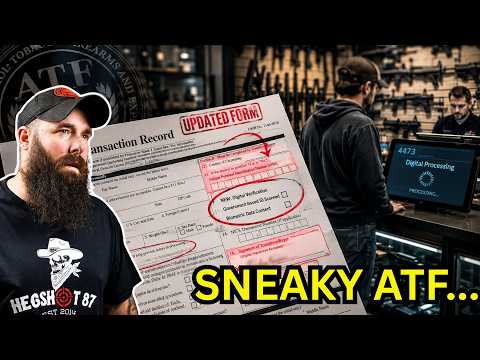
This video discusses the implications of changes to the Form 4473, the legalities of firearm possession, and the potential for a centralized gun owner database. It highlights how the consolidation of information on the Form 4473 could facilitate database creation and explains that changes in drug scheduling do not automatically alter firearm prohibitions under federal law. The discussion also touches on the indefinite retention of firearm purchase records by FFLs following the Bipartisan Safer Communities Act.

Quick Summary

The consolidation of information on the Form 4473 onto a single page raises concerns about the potential creation of a centralized gun owner database. Federal firearm prohibitions under laws like 18 U.S.C. § 922(g) are not affected by changes in drug scheduling. Furthermore, FFLs must now indefinitely retain firearm purchase records made after June 25, 2022, due to the Bipartisan Safer Communities Act.

Chapters

  1. 00:02Form 4473 Information Consolidation
  2. 00:25Introduction: 4473s and Legal Scenarios
  3. 01:07Trespassing and Use of Force Scenario
  4. 03:32Drug Scheduling and Firearm Prohibitions
  5. 04:38Prohibited Person Definitions and State Deference
  6. 05:00Government Form Revision Timelines
  7. 06:474473 Record Keeping and ATF Database Concerns
  8. 07:15ATF's Centralized Database Practices
  9. 08:06Impact of FFL Business Closure on Records
  10. 09:02Alarm Raised on 4473 Consolidation
  11. 09:35Texas Legal Residence Definition for LTC
  12. 11:0751% Signs and Carrying Restrictions in Texas
  13. 13:15Appetite to Change 51% Law
  14. 14:54Conclusion and Call to Action

Frequently Asked Questions

How does the consolidation of information on the Form 4473 affect gun owner privacy?

The consolidation of all critical information from the Form 4473 onto a single page is a concern for gun owners, as it could simplify the process for the government to create a centralized database of firearm purchases, potentially impacting privacy and gun rights.

Do changes in drug scheduling affect federal firearm prohibitions?

No, changes in drug scheduling do not automatically alter federal firearm prohibitions. Laws like 18 U.S.C. § 922(g), which prohibit certain individuals from possessing firearms, remain in effect regardless of how drug classifications are changed.

How long must Federal Firearms Licensees (FFLs) keep firearm purchase records?

Following the Bipartisan Safer Communities Act, FFLs must now indefinitely retain records for firearm purchases made after June 25, 2022. Prior to this act, the retention period was 20 years.

What happens to firearm purchase records when an FFL goes out of business?

When an FFL ceases operations, any records they are legally required to maintain are transferred to the ATF. This process contributes to the ATF's collection of firearm transaction data, raising concerns about a de facto gun owner database.

Related News

All News →

More 2nd Amendment & Law Videos You Might Like

More from Armed Attorneys

View all →