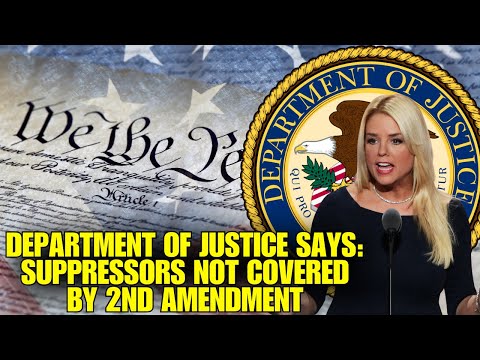
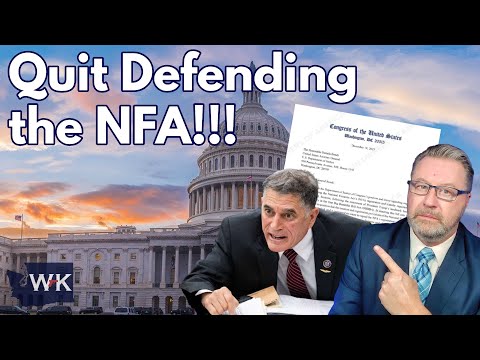
WOW! DOJ's Shocking Response In NFA Lawsuit! Most 2A-Friendly DOJ Ever?

Published on November 21, 2025
Duration: 15:45

This analysis details the DOJ's defense strategy in the Silencer Shop Foundation v. ATF lawsuit, which challenges the constitutionality of the National Firearms Act (NFA) following the repeal of certain taxes. The DOJ argues the NFA remains valid through the Taxing Power, Commerce Clause, and Necessary and Proper Clause, citing historical precedent like Miller v. United States. The case is poised to be a landmark challenge reaching the Supreme Court.

Quick Summary

The DOJ is defending the National Firearms Act (NFA) in the Silencer Shop Foundation v. ATF lawsuit by asserting its constitutionality through the Taxing Power, Commerce Clause, and Necessary and Proper Clause. They cite historical precedents like Miller v. United States to justify restrictions on items like SBRs and suppressors.

Chapters

  1. 00:00DOJ Defends National Firearms Act
  2. 00:55NFA Regulations Lawsuit Context
  3. 02:18Emergency Preparedness Promotion
  4. 04:27Lawsuit Plaintiffs and State Participation
  5. 05:40Legal Claims Against NFA Enforcement
  6. 06:05DOJ's Three-Point Defense Strategy
  7. 09:12DOJ's Second Amendment Arguments
  8. 11:34Litigation Path and Future Outlook

Frequently Asked Questions

What is the main argument in the Silencer Shop Foundation v. ATF lawsuit?

The lawsuit challenges the constitutionality of the National Firearms Act (NFA) regulations on items like suppressors and Short Barreled Rifles (SBRs). The core argument is that the elimination of making and transfer taxes by Congress has removed the constitutional basis for enforcing these NFA requirements.

How is the DOJ defending the National Firearms Act (NFA) in court?

The DOJ is defending the NFA by asserting its validity through the Taxing Power (claiming it still raises revenue from dealers), the Commerce Clause (arguing regulated items move interstate), and the Necessary and Proper Clause (to regulate intrastate items affecting markets).

What legal precedents does the DOJ cite to defend NFA restrictions?

The DOJ relies on historical Supreme Court precedent like Miller v. United States (1939) to label SBRs and SBSs as 'dangerous and unusual.' They also cite Fifth Circuit precedent from US v. Peterson regarding suppressors not being protected by the Second Amendment.

What is the potential future of the NFA lawsuit?

The DOJ is urging courts to avoid a nationwide injunction. Experts predict this case will likely proceed through appellate courts, potentially reaching the Fifth Circuit en banc and ultimately the Supreme Court, making it a landmark challenge to NFA regulations.

Related News

All News →

More 2nd Amendment & Law Videos You Might Like

More from Guns & Gadgets 2nd Amendment News

View all →