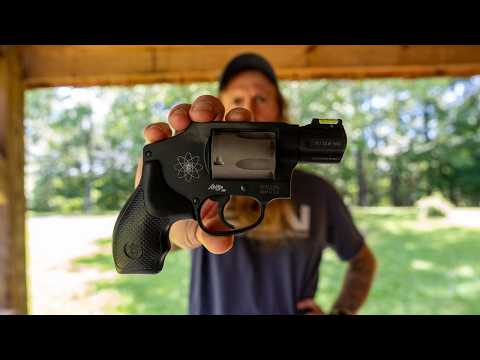
.357 vs .45 ACP: The Biggest Lie Shooters Still Believe

Published on June 22, 2026
Duration: 12:47

This analysis compares the practical aspects of carrying a .357 Magnum revolver versus a .45 ACP pistol, moving beyond theoretical ballistics to real-world comfort, handling, and usability. It highlights how weight distribution, grip ergonomics, recoil impulse, and reload speed significantly influence daily carry decisions and practical effectiveness under stress. The expert emphasizes that consistency and reduced friction in daily use often dictate which firearm is truly preferred for concealed carry.

Quick Summary

The perceived weight and comfort of carrying a .357 Magnum revolver versus a .45 ACP pistol are largely determined by weight distribution. Revolvers concentrate weight in the cylinder, creating pressure points, while .45 ACP pistols distribute weight along a thinner slide, sitting flatter against the body for greater long-term comfort.

Chapters

  1. 00:00Introduction: Carry Comfort Reality Check
  2. 00:18Ted from Line 45: Weight Matters Most
  3. 00:36.357 Magnum Revolver Weight & Bulk
  4. 00:56The Cylinder Bulge Problem
  5. 01:17.45 ACP Pistol vs. Revolver Carry
  6. 01:37Holsters & Belts Can't Fix Geometry
  7. 01:51Grip & Draw: .357 Revolver Limitations
  8. 02:10.45 ACP Grip & Trigger Advantages
  9. 02:26Semi-Auto vs. Revolver Control
  10. 02:42Recoil Impulse: .357 vs .45 ACP
  11. 03:19.45 ACP Recoil Dynamics
  12. 03:32Tempo & Rhythm in Shooting
  13. 03:49Reloads: Revolver vs. Semi-Auto
  14. 04:04Revolver Reload Challenges
  15. 04:39Semi-Auto Reload Efficiency
  16. 04:56Capacity Differences
  17. 05:20The Versatility Myth
  18. 05:34Ammunition Choice & Recoil Profiles
  19. 05:50Carbon Rings & Sticky Brass
  20. 06:06.45 ACP Consistency
  21. 06:32The Real Decision: Daily Carry Habits
  22. 06:43Friction vs. Theory
  23. 06:50.357 Magnum's Strengths & Weaknesses
  24. 07:06.45 ACP Routine & Consistency
  25. 07:28Repetition & Trust

Frequently Asked Questions

Why does a .45 ACP pistol sometimes feel lighter to carry than a .357 Magnum revolver, even if their weights are similar on paper?

The perceived difference in carry comfort stems from weight distribution. A .357 Magnum revolver's weight is concentrated in its cylinder, creating a pressure point. A .45 ACP pistol distributes its weight along a thinner slide, sitting flatter against the body and feeling easier to live with throughout the day.

How does the recoil of a .357 Magnum compare to a .45 ACP, and what is the practical impact on shooting?

.357 Magnum recoil is a sharp, upward snap that can interrupt sight picture and slow follow-up shots. .45 ACP recoil is typically a more manageable rearward impulse, allowing for easier sight tracking and a more consistent shooting rhythm, especially during extended practice.

What are the main challenges with reloading a .357 Magnum revolver compared to a .45 ACP pistol?

Reloading a .357 Magnum revolver requires precise steps like ejecting, aligning speedloaders or speed strips, and a firm ejector strike, with potential for sticky brass. .45 ACP pistols offer a faster, more forgiving reload process with a magazine release, flared mag wells, and automatic slide cycling.

Does the ability to shoot .38 Special from a .357 Magnum revolver make it more versatile for concealed carry?

While .357 Magnum revolvers can fire .38 Special, this creates two distinct recoil profiles and points of impact, necessitating separate training habits. .45 ACP ammunition generally offers more consistent performance and handling, reducing the need to manage drastically different shooting dynamics.

Related News

All News →

More EDC & Lifestyle Videos You Might Like

More from Line45

View all →