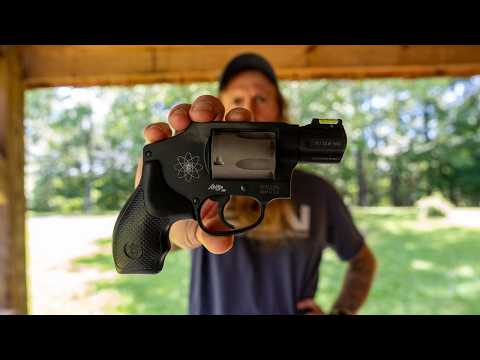
Everything You Should Know Before Choosing A Carry Pistol

Published on March 8, 2026
Duration: 19:31

This guide outlines a comprehensive method for selecting a carry pistol, emphasizing a proven track record of reliability from trusted manufacturers like Glock, Smith & Wesson, CZ, and Walther. Key considerations include size and weight for consistent carry, legal compliance, personal ergonomics, and caliber choice, with 9mm being a favored option. The instructor stresses the importance of extensive testing (500-1000 rounds with zero malfunctions) before committing to a firearm for self-defense.

Quick Summary

When choosing a carry pistol, prioritize reliability from trusted brands like Glock, S&W, CZ, and Walther. Consider size, weight, legality, and personal ergonomics. 9mm is recommended for its balance of power and manageable recoil. Crucially, test the firearm extensively, aiming for 500-1000 rounds with zero malfunctions before carrying.

Chapters

  1. 00:08Introduction: Choosing a Carry Gun
  2. 01:56Factor 1: Manufacturer Track Record
  3. 02:24Trusted Carry Gun Brands
  4. 03:22Factor 2: Size and Weight Constraints
  5. 05:16Environmental and Cultural Considerations
  6. 06:01Factor 3: Reliability
  7. 06:33How to Assess Reliability for New Shooters
  8. 07:27Factor 4: Legality
  9. 08:01Factor 5: Personal Preference and Ergonomics
  10. 08:38Caliber Considerations (9mm, .380, .40 S&W, .45 ACP)
  11. 10:49Magazine Capacity and Spare Mags
  12. 11:17Sights and Optics (Red Dots vs. Iron Sights)
  13. 12:31Safeties: To Have or Not to Have?
  14. 13:54Holsters and Belts: Essential Gear
  15. 15:16Carry Positions: Appendix vs. Other Methods
  16. 17:37Magazine and Holster Accessibility
  17. 17:54Summary of Key Carry Gun Criteria
  18. 18:13The 500-1000 Round Reliability Test
  19. 19:01Conclusion: Finding Your Best Carry Gun

Frequently Asked Questions

What are the most important factors to consider when choosing a concealed carry pistol?

When choosing a carry pistol, prioritize a proven track record of reliability from trusted manufacturers like Glock, Smith & Wesson, CZ, and Walther. Consider size and weight for consistent carry, legal compliance in your state, and personal ergonomics for comfortable and accurate shooting. Extensive testing of at least 500-1000 rounds with zero malfunctions is crucial.

Which caliber is best for concealed carry, and why?

9mm is a highly recommended caliber for concealed carry due to its excellent balance of stopping power, manageable recoil, and widespread ammunition availability. While other calibers like .45 ACP and .40 S&W offer more power, 9mm allows for more accurate follow-up shots, which is critical in self-defense scenarios.

How much reliability testing is sufficient before carrying a firearm?

The instructor emphasizes that a firearm must be exceptionally reliable. He recommends shooting at least 500 to 1000 rounds through a potential carry gun with absolutely zero malfunctions. If even one malfunction occurs within this range, he considers it unacceptable for carry due to the availability of highly dependable firearms.

What is the significance of holster and belt choice for concealed carry?

A quality holster and a sturdy belt are as critical as the firearm itself for effective concealed carry. They ensure the firearm is securely retained, comfortable to wear, and can be drawn quickly and efficiently. The right holster prevents printing and maintains the firearm's position throughout the day.

Related News

All News →

More EDC & Lifestyle Videos You Might Like

More from Honest Outlaw

View all →