Ultimate Beginner’s Guide to Buying Your First Handgun

Published on December 27, 2025
Duration: 24:21

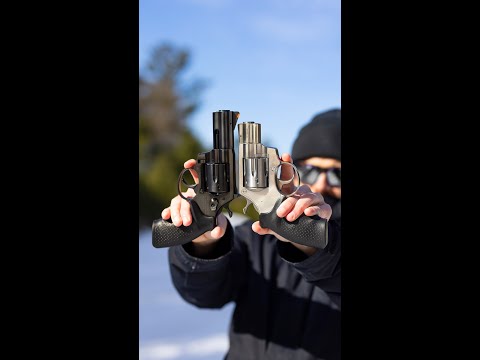
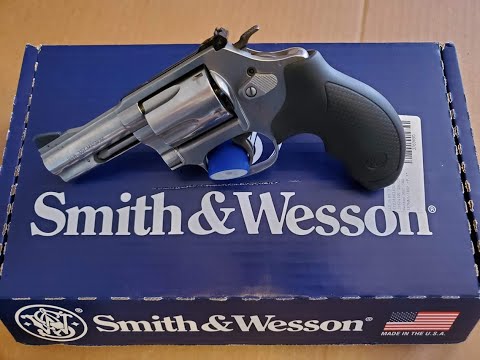
This guide, presented by a seasoned firearms instructor, breaks down the essential considerations for purchasing your first handgun. It covers the core differences between semi-automatics and revolvers, various firing mechanisms, action types, caliber selection, and frame sizes. Crucially, it emphasizes the importance of proper ergonomics and testing firearms at a range before buying, offering practical advice to make an informed decision for self-defense and personal use.

Quick Summary

Choosing your first handgun involves understanding the differences between semi-automatics and revolvers, considering calibers like 9mm for its balance of factors, and prioritizing ergonomics. Testing firearms at a range before purchase is crucial for ensuring a comfortable and shootable experience, leading to better proficiency and confidence.

Chapters

  1. 00:13Introduction and Safety
  2. 01:28Semi-Automatic vs. Revolver Mechanics
  3. 03:04Firing Mechanisms: Hammer vs. Striker
  4. 05:53Action Types: Single vs. Double Action
  5. 07:59Caliber Selection
  6. 10:13Budget and Brand Recommendations
  7. 11:33Frame Sizes and Materials
  8. 14:52Ergonomics and Testing
  9. 16:27Pros and Cons Summary
  10. 18:31Buying Tips and Features
  11. 20:21Racking the Slide and Conclusion

Frequently Asked Questions

What are the key differences between semi-automatic pistols and revolvers for a first-time handgun owner?

Semi-automatics use a magazine to feed rounds and have a slide that chambers the next round after firing, generally offering higher capacity. Revolvers use a cylinder that rotates to align the next round with the barrel, known for simplicity and reliability but with lower capacity.

Which calibers are most recommended for a beginner's first handgun, and why?

9mm Luger is often recommended due to its balance of manageable recoil, widespread availability, and cost-effectiveness. Other common options include .380 ACP for smaller concealed carry pistols and .38 Special for revolvers.

How important is the physical fit and feel of a handgun for a new owner?

Ergonomics and hand fit are critical. A handgun that feels comfortable and allows for a proper grip will be easier and more enjoyable to shoot, leading to better accuracy and confidence. Testing firearms at a range before buying is highly advised.

What are the main types of handgun firing mechanisms, and what should a beginner know?

Handguns primarily use hammer-fired (with an external or internal hammer) or striker-fired mechanisms. Striker-fired systems are common in modern pistols, offering a consistent trigger pull, while hammer-fired systems can provide visual cues of a chambered round.

Related News

All News →

More EDC & Lifestyle Videos You Might Like

More from PRO GUN

View all →