250 Years Of The U.S. Army: The Smoothbore Musket Era

Published on February 25, 2026
Duration: 10:28

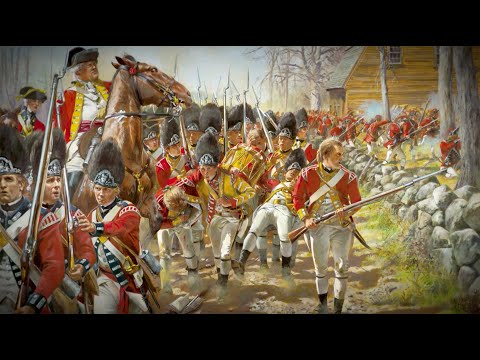
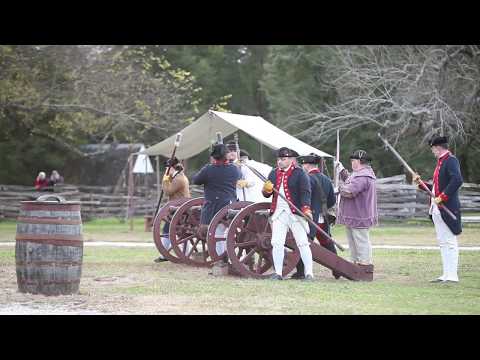
This video details the evolution of US Army smoothbore muskets from the Revolutionary War era through the mid-19th century. It highlights the transition from early militia arms to standardized Continental Army muskets, the influence of French designs and manufacturing concepts like interchangeable parts, and the development of key models such as the 1795 Springfield, Model 1816, and Model 1842. The expert narration emphasizes the technological advancements and strategic needs driving these changes in American firearm production.

Quick Summary

The US Army's smoothbore musket history spans from the Revolutionary War to the mid-19th century, featuring French imports, the 1795 Springfield, the standardized Model 1816, and the percussion Model 1842. Key advancements included the adoption of interchangeable parts and the superior reliability of percussion ignition over flintlocks.

Chapters

  1. 00:04Revolutionary War Origins & Militia Response
  2. 00:44Formation of the Continental Army
  3. 01:45French Musket Supply & Early Needs
  4. 02:25Musket Standardization & the 1795 Springfield
  5. 03:10Springfield Arsenal & Demand
  6. 04:10Thomas Jefferson & Interchangeable Parts
  7. 04:57American Manufacturing System & Eli Whitney
  8. 05:38Model 1816 Musket Development
  9. 06:17US Armories & Model 1816 Specs
  10. 07:13Model 1816 Production & Features
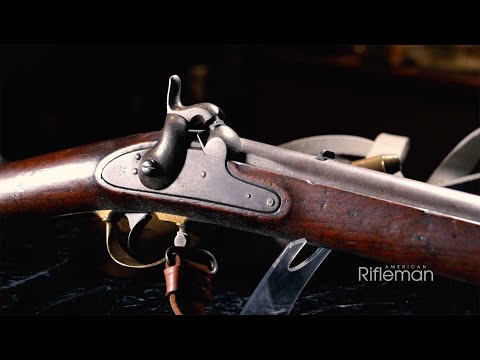
  11. 08:33Introduction of the Percussion Era & Model 1842
  12. 09:21Flintlock vs. Percussion Caps Comparison

Frequently Asked Questions

What were the key smoothbore muskets used by the early US Army?

The early US Army relied on French-supplied smoothbore flintlock muskets like the 1763/1766 models. This evolved into the standardized 1795 Springfield Musket, followed by the more interchangeable US Model 1816, and finally the percussion-era US Model 1842.

How did interchangeable parts influence US musket manufacturing?

Championed by Thomas Jefferson and implemented with figures like Eli Whitney, the concept of interchangeable parts revolutionized US musket manufacturing. This led to models like the US Model 1816, which featured gauged parts for easier assembly and repair, significantly improving production efficiency.

What is the difference in reliability between flintlock and percussion muskets?

Percussion locks offered significantly greater reliability than flintlocks. Flintlocks had an ignition rate of around 60%, while percussion locks could achieve up to 90% ignition, making them more dependable, especially in adverse weather conditions.

Where were early US military muskets manufactured?

Key manufacturing centers for early US military muskets included the Springfield Armory in Massachusetts and the Harpers Ferry Armory in Virginia. These government armories, along with various contractors, produced models like the 1795 Springfield and the Model 1816.

More General Videos You Might Like

More from NRApubs

View all →