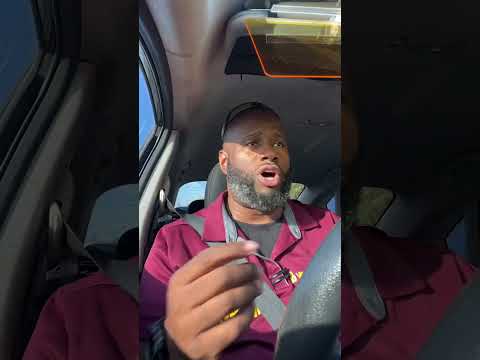
Dangerous Liberty Ep26 - Special Guest Professor Mike Hummel - Police In America

Published on April 27, 2023
Duration: 105:44

This episode of Dangerous Liberty features Professor Mike Hummel, a former Army officer and current university professor who also serves as a police officer. The discussion delves into the complex issues surrounding law enforcement in America, including the culture within departments, the power and discretion afforded to officers, the importance of training, and the critical need for building trust and rapport with communities. Professor Hummel shares his extensive experience to offer insights into how policing can improve and better serve the public while upholding constitutional rights.

Quick Summary

Professor Mike Hummel emphasizes that effective policing hinges on building trust and rapport with communities through courtesy, respect, and active listening. He highlights that while law enforcement holds significant power and discretion, this must be balanced with robust training in de-escalation and constitutional rights to ensure fair judgment and protect civil liberties.

Chapters

  1. 00:00Introduction to Dangerous Liberty Podcast
  2. 00:32Professor Mike Hummel's Background
  3. 03:43Military Service: Army, Rangers, Gulf War
  4. 05:02Academic Career: PhD, Teaching at West Point
  5. 05:34Current Role: Professor at Penn West University
  6. 06:19Joining the Pennsylvania Police Academy
  7. 07:45Experience as Law Enforcement and Academia
  8. 08:10University Political Climate and Criminal Justice Department
  9. 11:34Disclaimer: Support for Law Enforcement
  10. 12:49Culture of Abuse of Power in Law Enforcement
  11. 14:16Minority of Abusive Officers
  12. 15:16Attraction to Power and Leadership Issues
  13. 16:02Distrust Between Communities and Police
  14. 17:31Personal Interactions with Law Enforcement
  15. 18:52Impact of Officer Pay on Applicant Quality
  16. 20:18Getting Rid of Unprofessional Officers
  17. 21:06Problem of National News Incidents
  18. 23:53Under-training in Law Enforcement
  19. 25:01Lack of Training and Legal Knowledge
  20. 26:41Training and Rapport Building Discussion
  21. 29:40Building Rapport with Communities
  22. 30:07Why Police Attract Negative Attention
  23. 32:24Police Power and Discretion
  24. 34:44Factors Influencing Police Discretion
  25. 35:45Police Dealing with People's Worst Days
  26. 37:37Cops Getting Jaded in Tough Areas
  27. 38:53Seeing Both Sides of Law Enforcement Issues
  28. 39:39Abuse of Power by Incompetent Officers
  29. 40:40Changes in Law Enforcement Over Years
  30. 40:48Law Enforcement Changes for the Better
  31. 41:16Impact of Cameras on Policing
  32. 41:52Need for Educated Police Officers
  33. 42:47Addressing Power Issues in Policing
  34. 43:39Power Leading to Unnecessary Deaths
  35. 44:39Training Focus and Philosophy Change
  36. 45:05Dealing with Communities and Building Trust
  37. 46:27Police Militarization and 'Operators'
  38. 47:06Desire for Combat Experience in Law Enforcement
  39. 49:24Solutions: Protecting Individual Rights
  40. 50:57North Hollywood Shootout and Police Armament
  41. 51:28School Shootings and Police Armament
  42. 53:17Officer Training on Advanced Firearms
  43. 54:52Building Trust Through Traffic Stops
  44. 57:35Turning Power Over to the Community
  45. 59:49Traffic Stop Example: Building Trust
  46. 65:29Prejudice on Both Sides of Policing
  47. 66:49Demeanor of Police Officers
  48. 67:05Importance of De-escalation
  49. 67:41Debate on Four-Year Degree Requirement
  50. 70:05Leadership and Ethics in Criminal Justice
  51. 70:49Example of Building Trust in Housing Areas
  52. 73:11Conclusion: Building Trust and Community

Frequently Asked Questions

What are the primary reasons police officers attract negative attention?

Police officers attract negative attention due to instances of corruption, immoral acts, or poor judgment, which are often amplified in public discourse. While these issues exist across professions, police misconduct receives heightened scrutiny, especially when it involves abuse of power or violations of civil liberties.

How does officer discretion impact policing and community relations?

Officer discretion is a powerful tool that influences arrests, charges, and interactions. When misused, it can lead to unfair practices, personal biases affecting judgment, and a breakdown of trust. Conversely, judicious and fair discretion, coupled with community engagement, can build rapport and resolve situations effectively.

What role does training play in improving law enforcement?

Inadequate training is a significant issue contributing to negative police interactions and potential rights violations. Enhanced training in areas like de-escalation, constitutional law, and community relations is crucial for officers to make sound decisions, build trust, and uphold their duty to protect and serve effectively.

How can law enforcement build better trust with the communities they serve?

Building trust requires police to actively engage with communities, treating individuals with courtesy and respect, and listening to their concerns. Involving citizens in decision-making, demonstrating fairness, and consistently applying de-escalation techniques are key to dismantling barriers and fostering positive relationships.

Related News

All News →

More General Videos You Might Like

More from Paramount Tactical

View all →