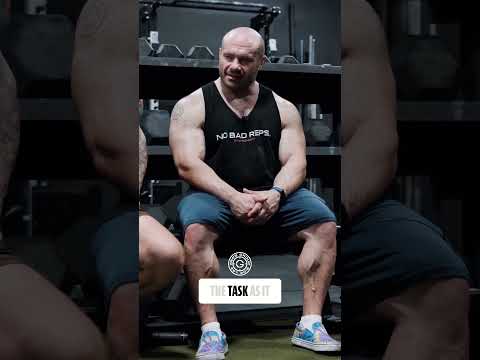
Dangerous Liberty Ep74 LIVE FROM PIGG RIVER - PTSD In SOCOM and Why Veterans Don't Talk War

Published on May 23, 2024
Duration: 83:37

This discussion delves into the reasons why veterans, particularly those in special operations, often don't openly discuss their war experiences. It explores the "quiet professional" culture, the tendency towards self-criticism and dwelling on perceived failures, and the challenges of reintegrating into civilian society. The conversation also touches on the impact of alcohol and therapy on mental health, highlighting the importance of fitness and productive activities.


Quick Summary

Special operations veterans often remain silent about war experiences due to the "quiet professional" culture, a tendency towards self-criticism focusing on perceived failures, and the difficulty of relating their unique experiences to civilians. They are trained to be humble and avoid self-promotion, prioritizing mission success over personal accolades.

Chapters

  1. 00:00Introduction & Technical Difficulties
  2. 00:40Chris's Week: COVID Outbreak
  3. 01:07Jay's Audio Issues & Welcome
  4. 02:11XP Long Range Academy & Course Updates
  5. 03:17Laser Engraving & Personal Touches
  6. 05:48The Origin of the Discussion: Military Stories
  7. 06:45Why Veterans Don't Talk About War
  8. 07:09Special Forces & Green Beret Culture
  9. 08:20The "Quiet Professional" Mentality
  10. 09:30Humility and Comparing Contributions
  11. 09:40Team Life & Mission Focus
  12. 10:30Micro vs. Macro: Mission Aftermath
  13. 11:00Self-Criticism & After-Action Reviews
  14. 12:00The "New Car" Analogy for Deployments
  15. 13:00Nitpicking and Losing Shine
  16. 13:30Dwelling on Negatives & Mistakes
  17. 14:00The Impact of Loss and Suicide
  18. 17:00The "Therapy Industrial Complex"
  19. 18:00Social Media's Role in Mental Health
  20. 19:00Fitness as Self-Medication
  21. 20:00Productive Activities & Family Time
  22. 21:00The Juxtaposition of Military & Civilian Life
  23. 22:00The "Break Glass in Case of War" Mentality
  24. 23:00Gary's Military Motivation & 9/11
  25. 24:00Jay's Military Journey & Abercrombie & Fitch
  26. 25:00The "Dragon" Nickname Saga
  27. 26:00Noah's School Skip
  28. 27:00Airbnb & Podcast Location
  29. 28:00Harvest Rite Dealer Announcement
  30. 29:00Wise Words: Don't Do Drugs & Stay in School
  31. 30:00The Cumulative Impact of Small Actions
  32. 31:00Social Anxiety Disorder & School Discipline
  33. 32:00Woke Teachers & Educational System Concerns
  34. 33:00The "Dragon" Persona & Friends
  35. 34:00Final Thoughts & Sign-off

Frequently Asked Questions

Why do special operations veterans often avoid discussing their war experiences?

Special operations veterans often remain silent about war experiences due to the "quiet professional" culture, a tendency towards self-criticism focusing on perceived failures, and the difficulty of relating their unique experiences to civilians. They are trained to be humble and avoid self-promotion, prioritizing mission success over personal accolades.

What are the main challenges veterans face when reintegrating into civilian life?

Veterans face challenges like the intense focus and detachment required during deployments, which strains family relationships. Upon return, they struggle to find relatable experiences, often feeling isolated. The shift from a highly structured military environment to civilian life can leave them without a clear sense of purpose or objective.

How does self-criticism impact veterans' mental health and their willingness to share stories?

The ingrained self-criticism from military training leads veterans to constantly analyze their actions, focusing on mistakes and shortfalls rather than successes. This internal focus makes them hesitant to share war stories, as they might dwell on negative aspects or feel their contributions weren't perfect, even after successful missions.

What is the role of alcohol and therapy in veteran mental health according to this discussion?

Alcohol is often used by veterans as a form of self-medication to cope with post-deployment stress, though it can exacerbate mental health issues. The discussion questions the effectiveness of traditional therapy, suggesting it can sometimes magnify problems and lead to dwelling on the past, while fitness and productive activities are highlighted as more beneficial coping mechanisms.

What are the key takeaways regarding the "quiet professional" culture in special operations?

The "quiet professional" culture emphasizes humility, teamwork, and mission accomplishment over individual recognition. Veterans are trained not to be flamboyant or boastful, but to focus on continuous improvement and the collective success of the team. This ethos contributes to their reluctance to share war stories openly.

Related News

All News →

More General Videos You Might Like

More from Paramount Tactical

View all →