Fagnus Lockwork

Published on April 9, 2026
Duration: 2:45

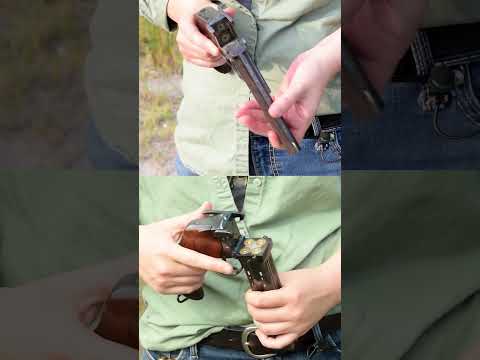
This video delves into the origins and mechanics of a specific lockwork mechanism found in many post-smokeless era revolvers, particularly those from Colt and Smith & Wesson. It highlights the Belgian origins of this design, tracing it back to patents from the 1870s and earlier. The explanation covers the single-action and double-action functions, detailing the roles of the mainspring, hammer, sear, hand, and hammer nose.


Quick Summary

The common lockwork mechanism in many modern military revolvers, prevalent from the smokeless era onwards, has its origins in Belgium. Key innovations include Alexander Fonu's 1874 patent for hammer rebound and Huber Comblain's contribution of the rebound arm, building on earlier designs.

Chapters

  1. 00:01Introduction: Siloed Firearms Knowledge
  2. 00:14The Common Revolver Lockwork
  3. 00:32Belgian Origins and Patents
  4. 00:44Alexander Fonu's Hammer Rebound
  5. 01:03Huber Comblain's Arm Invention
  6. 01:18Origins of the Hammer Nose Dog
  7. 01:35Single Action Mechanism
  8. 01:45Double Action Mechanism
  9. 01:58Mainspring and Cylinder Hand Function
  10. 02:14Spring System Efficiency
  11. 02:27Widespread Adoption and Legacy

Frequently Asked Questions

Where did the common lockwork mechanism in many modern military revolvers originate?

The lockwork mechanism found in many modern military revolvers, particularly those from the smokeless era onward, originated in Belgium. This design predates its widespread adoption by companies like Colt and Smith & Wesson.

What was Alexander Fonu's contribution to revolver lockwork?

Alexander Fonu's 1874 patent is credited with adding the crucial hammer rebound feature to the revolver lockwork. This innovation allows the hammer to automatically return to its resting position after firing.

How does the mainspring function in this revolver lockwork?

The mainspring is a primary power source, driving the hammer fall. It also powers an overreaching arm that biases the cylinder hand to engage the cylinder's teeth, and its tension is used to rebound the hammer.

What are the key components involved in the double-action function of this lockwork?

In double-action mode, pulling the trigger engages a sprung dog, commonly called the hammer nose. As the trigger is pulled further, this component pushes the hammer, eventually allowing it to fall and fire the round.

More from C&Rsenal

View all →