History of WWI Primer 029*: Japanese "Arisaka" Type 30 Documentary

Published on June 28, 2022
Duration: 64:37

This video provides an in-depth historical and technical examination of the Japanese Arisaka Type 30 rifle, the Empire of Japan's first smokeless bolt-action rifle. It details its design influences, technical specifications, development, and service history, including comparisons with contemporary rifles like the Mauser and Mannlicher. The video also covers the Type 30 carbine variant and its adoption by various global forces.

Quick Summary

The Japanese Arisaka Type 30 rifle, the Empire of Japan's first smokeless bolt-action firearm, was developed with influences from Mauser and Mannlicher designs. It fires the 6.5x50mm cartridge and features unique safety mechanisms and stock reinforcements to address early durability issues.

Chapters

  1. 00:20Introduction to the Arisaka Type 30
  2. 01:54Precursor: The Murata Rifle
  3. 03:31Development Commission and N. Arisaka
  4. 04:56Design Influences: Mauser, Mannlicher, Schmidt-Rubin
  5. 05:31The 6.5x50mm Cartridge
  6. 07:01Comparing Type 30 to Mauser 1893
  7. 10:27Comparing Type 30 Bolt to Mannlicher
  8. 12:35Type 30 Rear Sight and Barrel Features
  9. 13:39Unique Japanese Bolt Features
  10. 15:09Complex Bolt Disassembly
  11. 18:00Design Phase and Trials
  12. 18:38Stock Durability Issues and Solutions
  13. 21:13Type 30 Bayonet
  14. 21:40Type 30 Animation and Firing Cycle
  15. 23:57Shooting the Type 30
  16. 25:33The Type 30 Carbine
  17. 30:38Production and Markings
  18. 31:48Service History: Boxer Rebellion, Russo-Japanese War
  19. 32:20Chinese Arisaka Variants
  20. 34:30Replacement by Type 38 and Later Roles
  21. 36:00Type 30 in WWI: French and British Acquisition
  22. 39:22Type 30 in Russian Service During WWI
  23. 41:16Post-Revolutionary Russian Use and Finnish Modifications
  24. 42:16Chinese Copycat Type 30
  25. 43:09May's Ergonomic Review: Type 30 vs. Type 38
  26. 56:06Carbine vs. Rifle Comparison
  27. 61:19Final Thoughts and Conclusion

Frequently Asked Questions

What are the key design influences of the Japanese Arisaka Type 30 rifle?

The Arisaka Type 30 rifle's design was significantly influenced by European firearms. Key inspirations include the Mauser 1893 and 1895 models for its general layout and bolt operation, the Dutch Mannlicher 1895 for its magazine system and bolt head, and elements from the Swiss Schmidt-Rubin, particularly in its safety mechanism.

What caliber does the Arisaka Type 30 rifle use, and what are its characteristics?

The Arisaka Type 30 rifle fires the 6.5x50mm cartridge. This was an early small-bore, high-velocity round designed to offer long range, a flat trajectory, and manageable recoil, making it suitable for military applications.

What were the main issues with the early Arisaka Type 30 stocks, and how were they addressed?

Early Type 30 stocks were made from softwoods and were prone to cracking, especially at the wrist and toe. To combat this, later production incorporated an addendum extension down the back of the wrist and a dovetailed piece for the toe, improving durability and utilizing wood more efficiently.

How did the Arisaka Type 30 rifle find its way into Russian service during World War I?

During WWI, Imperial Russia faced severe small arms shortages. They purchased large quantities of Japanese rifles, including the Type 30 and Type 38, from Japan and also acquired them from British surplus, making them a significant part of the Russian army's armament.

What makes the bolt disassembly of the Arisaka Type 30 particularly complex?

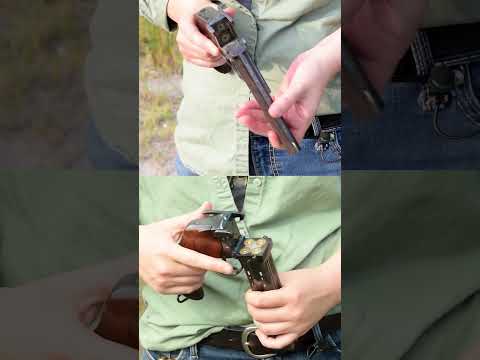
The Arisaka Type 30 bolt disassembly is complex due to its unique safety mechanism and the yolk assembly. It requires a specific tool to depress the firing pin assembly sufficiently to release the yolk, which then separates into two halves, making field stripping challenging without proper knowledge or tools.

More General Videos You Might Like

More from C&Rsenal

View all →