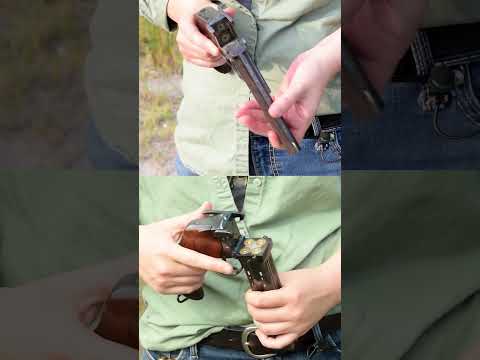
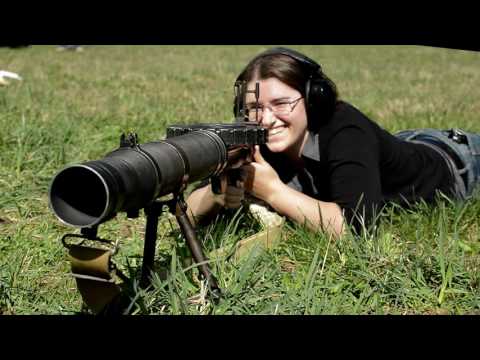
History Primer 202: Yugoslavian Mauser Model 1924 Documentary | C&Rsenal

Published on October 29, 2024
Duration: 52:45

This documentary delves into the history and technical specifications of the Yugoslavian Mauser Model 1924, a significant interwar rifle. It details its development from earlier Mauser designs, its adoption by the Kingdom of Serbs, Croats, and Slovenes (later Yugoslavia), and its various configurations including carbines. The video highlights the rifle's construction, its place in Yugoslavian military history, and its eventual role during World War II and beyond, emphasizing its robust design and widespread use.


Quick Summary

The Yugoslavian Mauser Model 1924 is a bolt-action rifle developed in the interwar period, serving as a universal short rifle. Based on the Mauser 98 action but with a slightly shorter receiver, it's chambered in 7.92x57mm Mauser and features a five-round internal magazine, a full wraparound handguard, and a tangent rear sight. It was produced both in Belgium by FN and domestically in Yugoslavia, with various carbine variants also developed.

Chapters

  1. 00:00Introduction to the Yugoslavian Mauser Model 1924
  2. 00:22Physical Characteristics and Specifications
  3. 01:49Historical Context: Serbia and Pan-Slavism
  4. 02:26Post WWI: Formation of the Kingdom of Serbs, Croats, and Slovenes
  5. 03:06Serbia's Pre-WWI Firearms Challenges
  6. 04:38Wartime Aid and Post-War Surplus
  7. 05:27The Little Entente and Arms Standardization
  8. 05:48Czech Influence and the VZ24
  9. 06:17Serbian Decision-Making for a New Rifle
  10. 07:47Belgian Arms Commission and FN's Role
  11. 11:11Development of the FN Model 1924
  12. 12:46Detailed Examination of the Model 1924
  13. 13:03Front Sight and Bayonet Lug
  14. 13:28Barrel Bands and Sling Swivels
  15. 13:40Handguard and Rear Sight
  16. 14:21Magazine, Pistol Grip, and Buttplate
  17. 14:36Bolt Action Mechanism and Safety
  18. 15:10Action Length Differences: Model 1924 vs. Mauser 98
  19. 17:31Markings on the Model 1924
  20. 18:09Demonstration of the Model 1924
  21. 19:30Yugoslavia's Tiff with Italy and VZ24 Purchases
  22. 20:20Domestic Production at VTI Kragujevac
  23. 21:35VTI Markings and Production Dates
  24. 22:18Political Changes and Receiver Markings
  25. 23:02Carbine Variants of the Model 1924
  26. 25:10The Chetnik Carbine (Model 1924 CK)
  27. 26:35The So-Kol Rifle
  28. 28:48Shooting Impressions of the Carbine
  29. 29:01Pre-WWII Political Climate and Axis Invasion
  30. 30:10WWII Occupation and German Use of Model 1924
  31. 30:50Yugoslav Resistance: Chetniks vs. Partisans
  32. 31:28Post-War Reorganization and Zastava
  33. 32:14International Sales and Model 1930
  34. 33:19May's Expert Opinion on Handling
  35. 34:31Comparison to G98 and Austrian M1912
  36. 36:38Influence of Short Rifles and Carbines
  37. 37:20Comparison with Karabiner 98k
  38. 39:26Action Length and Parts Interchangeability Issues
  39. 41:11The Confusing Evolution of Mauser Designs
  40. 43:14Shooting Experience and Comfort
  41. 44:01Overall Assessment of the Model 1924
  42. 45:42The Model 1924 as a Standard Rifle
  43. 46:07Shooting the Chetnik Carbine Variant
  44. 48:11Chetnik Carbine Shooting Impressions: Sights, Bolt, Recoil
  45. 50:22Final Assessment of Yugoslavian Rifle Design
  46. 51:06Acknowledgements and Support
  47. 51:53Outro

Frequently Asked Questions

What is the Yugoslavian Mauser Model 1924?

The Yugoslavian Mauser Model 1924, also known as the Kingdom of Serbs, Croats, and Slovenes M1924, is a bolt-action rifle developed in the interwar period. It's a universal short rifle based on the Mauser 98 action but features a slightly shorter receiver, chambered in 7.92x57mm Mauser.

What were the key features of the Yugoslavian Mauser Model 1924?

Key features include a five-round staggered internal magazine fed by stripper clips, a full wraparound handguard, a tangent adjustable rear sight (200-2000m), and a semi-pistol grip stock. It was designed as a robust and versatile rifle for military service.

What are the differences between the Model 1924 rifle and its carbine variants?

Carbine variants, like the Model 1924 K and the shorter Model 1924 CK (Chetnik), feature shorter barrels, different sling swivel placements (often side slings), and sometimes a turned-down bolt handle for easier manipulation. The Chetnik carbine also had a reduced sight radius.

Where was the Yugoslavian Mauser Model 1924 manufactured?

While initially produced by FN in Belgium, the Model 1924 was also manufactured domestically in Yugoslavia at the Military Technical Institute (VTI) in Kragujevac, which later became the Zastava Arms factory. This allowed for licensing and domestic production capabilities.

More General Videos You Might Like

More from C&Rsenal

View all →