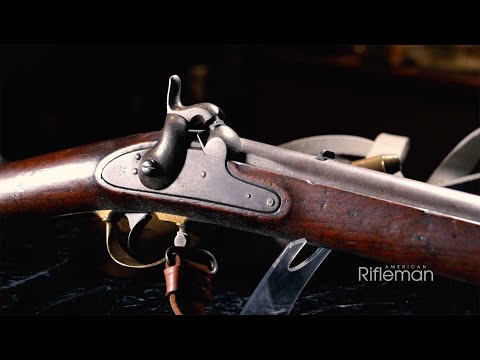
I Have This Old Gun: Pattern 1851 Minié Rifle

Published on August 16, 2023
Duration: 6:15

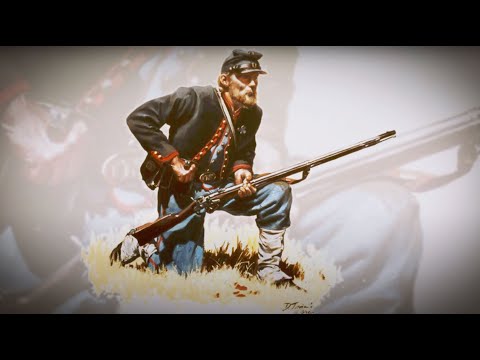
This video provides an expert-level overview of the British Pattern 1851 Minié Rifle, detailing its historical significance and technical evolution. It highlights how the Minié ball revolutionized infantry warfare by enabling faster loading and significantly increased accuracy compared to smoothbore muskets. The discussion covers the innovations leading to the Minié ball, early design challenges, and subsequent refinements that made the rifle a progenitor of modern military arms.


Quick Summary

The British Pattern 1851 Minié Rifle was a pivotal firearm that transformed infantry combat by enabling faster loading and significantly increased accuracy, allowing all soldiers to effectively act as riflemen. Its hollow-based Minié ball design was key to this improvement, expanding to engage rifling for better performance.

Chapters

  1. 00:05Introduction to the Minié Rifle
  2. 00:27Transition from Smoothbore Muskets
  3. 00:50Innovators of the Minié Ball
  4. 01:21Perfection of Rifle Musket and Ammunition
  5. 01:59Hollow-Based Bullet Design
  6. 02:37Loading Procedure
  7. 02:58Significance of Pattern 1851 Minié Rifle
  8. 03:42Early Issues and Refinements
  9. 04:50Crimean War Improvements
  10. 05:15Accuracy, Loading Speed, and Legacy

Frequently Asked Questions

What made the Pattern 1851 Minié Rifle a significant advancement in military firearms?

The Pattern 1851 Minié Rifle revolutionized infantry warfare by enabling faster loading and significantly increased accuracy compared to older smoothbore muskets. This allowed all soldiers to effectively function as riflemen, dramatically improving battlefield effectiveness.

How did the Minié ball improve rifle performance?

The Minié ball featured a hollow base that expanded upon firing, allowing it to engage the rifling for accuracy. This design solved the slow-loading problem of earlier rifles by enabling a sub-caliber bullet to be easily rammed down the barrel and then seal the bore.

What were the primary loading steps for the Pattern 1851 Minié Rifle?

Loading involved using a paper cartridge with an inverted bullet. Soldiers would tear the back of the cartridge, pour the powder into the barrel, ram the bullet, place a percussion cap on the nipple, and then fire.

What was the effective range difference between the Minié rifle and earlier muskets?

The Pattern 1851 Minié Rifle was accurate at ranges of 300-1000 yards, a substantial improvement over the 50-75 yard effective range of traditional smoothbore muskets.

More General Videos You Might Like

More from NRApubs

View all →