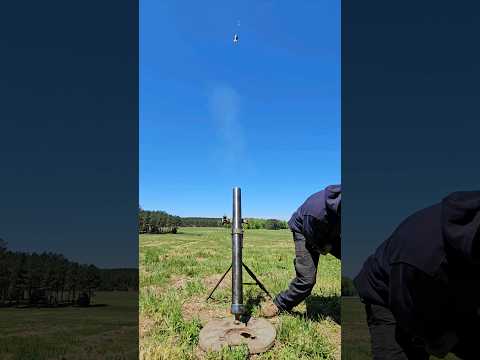
Pre-WW2 Photo-Electric Proximity Fuze 3.25" Anti-Aircraft Rocket #military #engineering #technology

Published on February 25, 2024
Duration: 1:00

This video details the pre-WW2 3.25-inch Anti-Aircraft Rocket, highlighting its innovative Photo-Electric Proximity (PERF AR) fuze developed by the NDRC. It explains the fuze's shadow detection mechanism using a toroidal lens and photo cell, which triggered a thyratron and electric detonator. The program was eventually superseded by radio proximity fuzes and terminated in 1943, with this being the last known surviving example.

Quick Summary

The 3.25-inch Anti-Aircraft Rocket featured the PERF AR photo-electric proximity fuze, developed by the NDRC in late 1941. It used shadow detection via a toroidal lens and photo cell to trigger a thyratron and electric detonator, engaging targets by sensing aircraft shadows. The program was terminated in 1943, superseded by radio proximity fuzes.

Chapters

  1. 00:00Development History
  2. 00:18Components and Naming
  3. 00:27Operational Mechanism
  4. 00:44Program Termination

Frequently Asked Questions

What was the purpose of the 3.25-inch Anti-Aircraft Rocket?

The 3.25-inch Anti-Aircraft Rocket was designed as an aerial defense weapon. Its innovative PERF AR photo-electric proximity fuze allowed it to detect and engage targets by sensing the shadow of an approaching aircraft.

How did the PERF AR fuze work?

The PERF AR fuze used a toroidal lens and photo cell to detect the shadow cast by an aircraft. This detection triggered a thyratron, which then fired an electric detonator to destroy the rocket and its target.

Who developed the PERF AR fuze?

The PERF AR fuze was developed under tight security in Division 4 labs, which was the ordnance development section of the National Defense Research Committee (NDRC), formed by President Roosevelt.

Why was the PERF AR fuze program terminated?

The photo-electric fuze program was terminated in October 1943 because resources were shifted to the development of superior radio proximity fuzes, which offered better performance.

More General Videos You Might Like

More from Ordnance

View all →