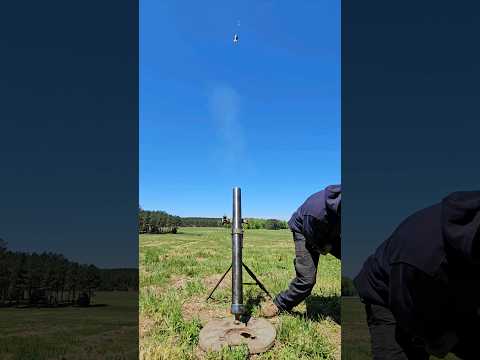
Pre-WW2 Photo-Electric Proximity Fuze 3.25" Anti-Aircraft Rocket #military #engineering #technology

Published on February 25, 2024
Duration: 1:00

This video details the pre-WWII 3.25-inch anti-aircraft rocket, specifically its PERF AR photo-electric proximity fuze. Developed by Division 4 of the NDRC, it used a shadow-detecting mechanism with a toroidal lens and photocell. The program was terminated in 1943 in favor of radio proximity fuzes, making this surviving example historically significant.

Quick Summary

The PERF AR (Photo-Electric Rocket Fuze, American Rocket) was a pre-WWII proximity fuze for the 3.25-inch anti-aircraft rocket. It detected aircraft shadows using a toroidal lens and photocell, triggering a thyratron and electric detonator. The program ended in 1943, replaced by radio proximity fuzes.

Chapters

  1. 00:00Development History of PERF AR Fuze
  2. 00:18Rocket Components and Naming
  3. 00:27How the Photo-Electric Fuze Worked
  4. 00:44Program Termination and Legacy

Frequently Asked Questions

What was the PERF AR fuze?

The PERF AR (Photo-Electric Rocket Fuze, American Rocket) was a pre-WWII proximity fuze used on the 3.25-inch anti-aircraft rocket. It utilized a photo-electric sensor to detect the shadow of an approaching aircraft.

How did the photo-electric proximity fuze work?

It used a toroidal lens and photocell to detect the shadow cast by an aircraft. This signal activated a thyratron, which then fired an electric detonator to destroy the rocket near the target.

Why was the PERF AR fuze program terminated?

The PERF AR program was terminated in October 1943 because resources were shifted to the development of superior radio proximity fuzes, which offered better performance and reliability.

Who developed the 3.25-inch anti-aircraft rocket's fuze?

The fuze was developed under tight security at Division 4 labs, which was the ordnance development section of the National Defense Research Committee (NDRC), established by President Roosevelt.

More General Videos You Might Like

More from Ordnance

View all →