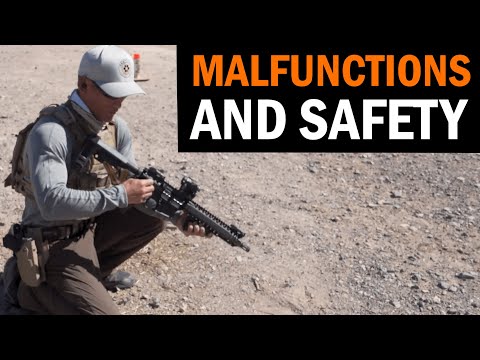
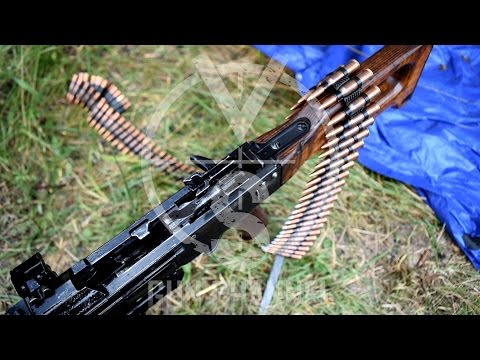
The Value of Knowing your Firearm and Maintaining it

Published on July 31, 2015
Duration: 12:49

This video demonstrates how to diagnose and clear a split casing malfunction, a common issue where a spent casing breaks apart in the chamber, preventing proper ejection. The presenter highlights the importance of recognizing when a standard bolt rack is insufficient and the necessity of using a cleaning rod for manual extraction of the damaged casing. Proper firearm maintenance and understanding of potential failure points are emphasized.

Quick Summary

Clearing a split casing malfunction in a firearm often requires manual intervention. After attempting to cycle the bolt, if a split casing is present, use a cleaning rod inserted from the muzzle to push the damaged casing out of the chamber. This is crucial as the firearm's extractor may fail to grip the broken rim.

Chapters

  1. 00:16No Warm-up Run
  2. 01:42Malfunction Identified: Trigger Not Reset
  3. 02:42Trigger Not Resetting, Cycling Bolt
  4. 04:17Hammer Not Resetting, Lube Issue?
  5. 07:48AR-15 Handguard Installation
  6. 11:18Split Casing Malfunction Explained
  7. 12:21Manual Extraction with Cleaning Rod

Frequently Asked Questions

How do you fix a split casing malfunction in a firearm?

A split casing malfunction often requires manual extraction. After attempting to cycle the bolt, if the casing is split, use a cleaning rod inserted from the muzzle to push the damaged casing out of the chamber. This is necessary because the firearm's extractor may not be able to grip the broken rim.

What causes a firearm's trigger to not reset?

A trigger failing to reset can be caused by various issues, including a damaged or dirty action, insufficient lubrication, or a malfunction with the internal components like the hammer or sear. In the context of a split casing, the obstruction in the chamber can prevent the bolt from fully cycling, thus not resetting the trigger.

Why is firearm maintenance important, especially after storage?

Proper firearm maintenance, including lubrication and cleaning, is crucial, especially for weapons stored long-term. Neglecting maintenance can lead to dried-out lubricants or debris buildup, increasing the risk of malfunctions like failure to feed, failure to eject, or triggers not resetting when you need the firearm most.

What is the correct way to install an AR-15 handguard?

When installing an AR-15 handguard, it's generally recommended to secure the top portion first. The bottom part of the handguard often needs to be indexed or fit inside the top section, making the top installation the more critical and sometimes more difficult step to get right.

More Training & Techniques Videos You Might Like

More from The VSO Gun Channel

View all →