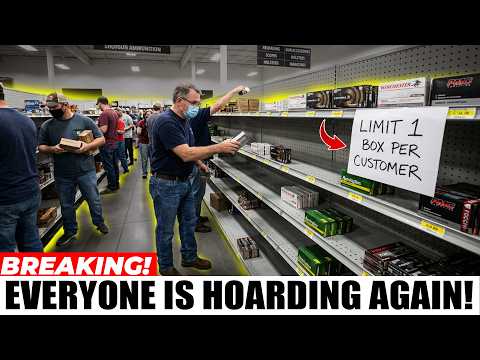
U.S. Ammo Industry in Crisis: 3 Major Failures Explained

Published on May 28, 2026
Duration: 12:51

This video provides an expert analysis of the current crisis in the U.S. ammunition industry, detailing three major failures: collapsing companies, overstuffed shelves due to market saturation, and a significant drop in consumer demand. It highlights the impact of economic fatigue, federal import tariffs, and overproduction by manufacturers. The analysis also contrasts the civilian market's surplus with the U.S. military's rising demand and strained industrial base, offering insights into which companies are surviving and why.

Quick Summary

The U.S. ammunition industry is in crisis due to collapsing companies, market saturation from overproduction, and a significant drop in consumer demand exacerbated by economic fatigue and federal import tariffs. This has led to overstocked shelves and financial strain, while the U.S. military faces rising demand and a strained supply chain.

Chapters

  1. 00:00Introduction: Industry in Crisis
  2. 00:54Observing the Market Slowdown
  3. 01:45Demand Drop and Economic Factors
  4. 02:07Burned-Out Panic Cycle & Saturation
  5. 02:29Supply Misfire: Overproduction & Tariffs
  6. 03:45Financial Fallout and Bankruptcies
  7. 05:25Who's Still Standing and Why
  8. 06:07Military Demand vs. Civilian Supply
  9. 08:37Consequences for the Average Shooter
  10. 09:45The Future of the Ammunition Market

Frequently Asked Questions

What are the main reasons for the current crisis in the U.S. ammunition industry?

The U.S. ammunition industry faces a crisis due to three major failures: collapsing companies, overstuffed shelves from market saturation, and a significant drop in consumer demand. This is exacerbated by economic fatigue, federal import tariffs, and overproduction by manufacturers anticipating demand that never materialized.

How have federal tariffs impacted the U.S. ammunition market?

Federal import tariffs, ranging from 25% to 37%, implemented in 2025, have significantly increased the cost of imported ammunition. This made it financially unviable for U.S. importers to sell previously committed stock at pre-tariff prices, contributing to market saturation and financial strain.

What is the difference between the current ammo market situation and past slowdowns?

Unlike the 2017 slowdown, which was a correction after a buying frenzy, the current situation in mid-2025 represents a structural drop in consumer activity. The panic buying cycle has ended, the market is saturated from previous stocking, and economic factors are reducing demand.

How is the U.S. military's demand for ammunition affecting the industry?

While the civilian market is flooded with unsold ammunition, the U.S. military is experiencing rising demand and a strained industrial base unable to scale production quickly. This creates a disconnect, as domestic plants scaled down during commercial slowdowns struggle to meet military procurement needs.

More General Videos You Might Like

More from Line45

View all →