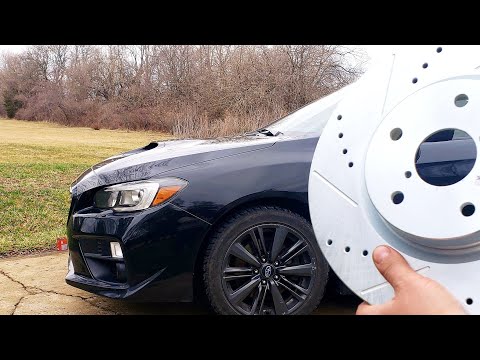
2010-2014 Ford Mustang Front Brakes Pads & Rotors Replacement *Detailed*

Published on December 12, 2022
Duration: 12:40

This guide details the process of replacing front brake pads and rotors on a 2010-2014 Ford Mustang, applicable to both V6 and GT models. It covers loosening lug nuts, removing the caliper and bracket, replacing the rotor, installing new pads (paying attention to wear indicators), compressing caliper pistons, and reassembling the brake system. Proper torque and brake pedal re-priming are emphasized for safety.

Quick Summary

Replacing front brake pads and rotors on a 2010-2014 Ford Mustang involves loosening lug nuts, removing the caliper and bracket, replacing the rotor, installing new pads (noting the squealer on the rear piston-only caliper), compressing pistons, and reassembling. Always re-prime the brake pedal by pumping it slowly before driving to ensure proper function.

Chapters

  1. 00:00Introduction & Model Years
  2. 00:28Drilled and Slotted Rotors
  3. 00:33Rear Brake Video Preview
  4. 00:44Four-Wheel Kit Information
  5. 01:00V6 vs GT Model Differences
  6. 01:14Getting Started: Loosening Lug Nuts
  7. 01:20Removing the Wheel
  8. 01:34Shocks and Struts Mention
  9. 01:39Removing the Caliper
  10. 02:00Removing the Caliper Bracket
  11. 02:10Lubricating Slide Pins
  12. 02:20Caliper Mounting Bolt Size
  13. 02:27Prying Off the Caliper
  14. 02:42Supporting the Caliper
  15. 02:50Removing Brake Pads
  16. 03:03Bracket Bolts Size
  17. 03:13Removing the Bracket
  18. 03:17Slide Pin Removal & Lubrication
  19. 03:40Brake Parts Grease
  20. 03:45Removing the Rotor
  21. 04:05Dealing with Stuck Rotors
  22. 04:13Penetrating Oil Use
  23. 04:26Tapping the Rotor Free
  24. 04:35Installing the New Rotor
  25. 04:40Zinc-Coated Rotors
  26. 04:51Cleaning Smooth Rotors
  27. 05:11Installing New Hardware
  28. 05:28Reinstalling the Bracket
  29. 05:37Installing New Pads
  30. 05:44Identifying the Squealer Pad
  31. 06:03Wear Indicator Function
  32. 06:11Rear Piston Caliper Wear Pattern
  33. 06:23Squealer Pad Placement
  34. 06:28Old Pad Spring Clips
  35. 06:36Aligning Spring Clips
  36. 06:47Stubborn Spring Clips
  37. 06:51Dealership Pad Placement Error
  38. 07:11Spring Clip Removal Caution
  39. 07:19Utilizing Spring Clips
  40. 07:28Pain of Spring Clip Installation
  41. 07:37Compressing Caliper Pistons
  42. 07:43Struggling with Rear Pad Fitment
  43. 07:52Correct Pad Orientation
  44. 08:07Using C-Clamp for Pistons
  45. 08:13Dual Piston Compression Technique
  46. 08:30Reinstalling Caliper with New Pads
  47. 08:47Aligning Flat Part of Pad
  48. 08:59Reinstalling Caliper Bolts
  49. 09:02Lubing Slide Rods
  50. 09:06Reinstalling the Wheel
  51. 09:10Torquing Lug Nuts - Crisscross Pattern
  52. 09:24Getting Final Torque Value
  53. 09:36Repeating on Other Side
  54. 09:40Hardware Size Variation Example
  55. 09:58Why Hardware Sizes Vary
  56. 10:15Importance of Lubricating Slide Pins
  57. 10:24Stiff Slide Pin Example
  58. 10:37Cleaning and Greasing Slide Pins
  59. 10:40Re-priming the Brake Pedal
  60. 10:45Brake Lockout Feature Explanation
  61. 10:54Spongy Pedal After Brake Work
  62. 11:07Proper Pedal Pumping Technique
  63. 11:19Avoiding Brake Lockout
  64. 11:28Halfway Pedal Press Technique
  65. 11:40Pedal Feel Restoration
  66. 11:50Final Pedal Feel Check
  67. 12:05Rear Brake Video Reminder
  68. 12:11Drilled and Slotted Rotor Link
  69. 12:17Like and Super Thanks
  70. 12:28Mustang Playlist Mention
  71. 12:34Outro

Frequently Asked Questions

What tools are needed to replace front brake pads and rotors on a 2010-2014 Ford Mustang?

You'll need a jack, jack stands, lug wrench, 14mm and 15mm sockets/wrenches, a flathead screwdriver, brake parts grease, a C-clamp, an old brake pad, and a torque wrench. Optional tools include a mini sledgehammer and penetrating oil for stuck rotors.

How do you properly re-prime the brake pedal after replacing brake pads and rotors?

After reassembly, pump the brake pedal slowly and steadily, pressing it no more than halfway down, and releasing slowly. Repeat this 5-10 times until the pedal feels firm and normal, avoiding sudden or forceful pedal application.

What is the 'squealer' on a brake pad and why is it important?

The 'squealer' is a small metal tab on brake pads that acts as a wear indicator. When the pad material is low, it contacts the rotor, creating a squealing sound to alert the driver that the pads need replacement.

Can I use the same brake pads on both sides of the front axle of my 2010-2014 Ford Mustang?

Yes, typically the front brake pads are the same for both sides. However, for rear piston-only calipers, one pad will have a wear indicator (squealer) that should be installed on the backside of the rotor.

What should I do if the old brake rotor is stuck on the hub?

If the old brake rotor is stuck, you can try tapping around its edges with a mini sledgehammer to break it free. Applying penetrating oil to the hub area can also help loosen any rust or corrosion that's causing it to seize.

More Gunsmithing & DIY Videos You Might Like

More from Buckeye Ballistics

View all →