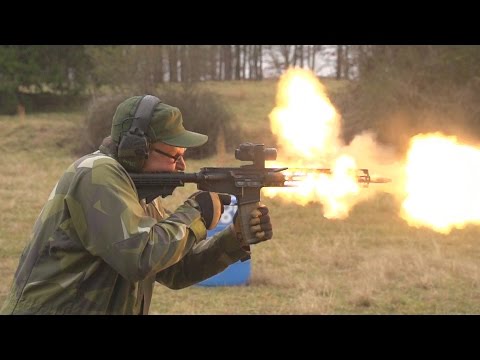
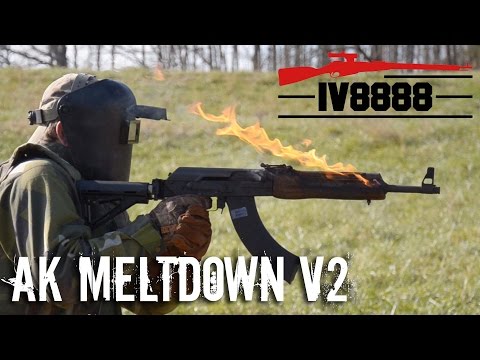
Anderson Meltdown!

Published on October 18, 2019
Duration: 12:21

This guide details the procedure for conducting an Anderson upper receiver meltdown test, as performed by Iraqveteran8888. It covers the setup, execution using full-auto fire and thermal monitoring, and post-test analysis of components. The test aims to evaluate the durability of budget AR-15 components under extreme stress, providing valuable insights into their performance limits. Instruction is provided by an expert with high authority in AR-15 metallurgy and gas system dynamics.

Quick Summary

Iraqveteran8888's Anderson AR-15 meltdown test subjected a budget upper receiver to extreme full-auto fire. Despite some component resilience, failure occurred around 640 rounds due to an out-of-battery discharge and cook-off, highlighting thermal limits and potential risks.

Chapters

  1. 00:00Introduction to Anderson Meltdown Test
  2. 01:00Anderson Upper Technical Specifications
  3. 03:00Full-Auto Firing and Thermal Monitoring
  4. 06:13Weapon Failure Point Analysis
  5. 06:44Post-Test Component Inspection

Frequently Asked Questions

What happened during the Anderson AR-15 meltdown test?

During the test, an Anderson Manufacturing AR-15 upper receiver was subjected to full-auto fire until failure, which occurred around 640 rounds due to an out-of-battery discharge and cook-off. Thermal imaging was used to monitor heat buildup.

What were the key findings from the Anderson upper receiver test?

The test revealed that while the Anderson upper's gas port showed no erosion and the bolt carrier group remained functional, the extreme heat caused a discolored charging handle and a deformed gas tube, indicating component thermal limits.

What type of ammunition was used in the Anderson meltdown test?

The Anderson upper receiver meltdown test utilized Norma 55-grain ammunition during the full-auto firing sequence to push the components to their operational limits and observe their performance under extreme stress.

What safety concerns are associated with AR-15 meltdown tests?

Meltdown tests involve significant safety risks, including out-of-battery discharges, cook-offs, and extreme heat. Proper firearm handling, safety protocols, and protective gear are essential, and full-auto fire is heavily regulated.

Related News

All News →

More Gunsmithing & DIY Videos You Might Like

More from Iraqveteran8888

View all →