Anvil 046: Galland Revolver Chamber Casting

Published on November 21, 2020
Duration: 18:15

This expert guide details the process of performing a chamber cast on a rare Galland Revolver to identify its unknown caliber. Lead Firearms Instructor Mark Novak demonstrates advanced gunsmithing techniques, including using Cerrosafe alloy for precise casting and employing specialized tools for measurement and repair. The guide covers disassembly, casting, measurement analysis, and reassembly, emphasizing the importance of objective data for reloading obsolete firearms.

Quick Summary

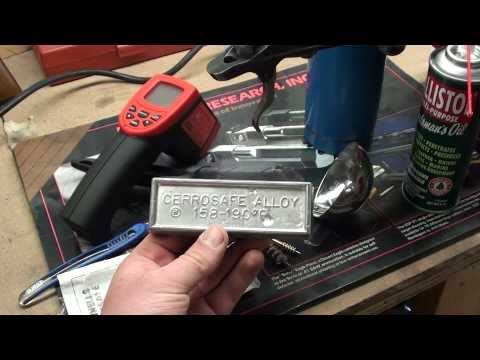
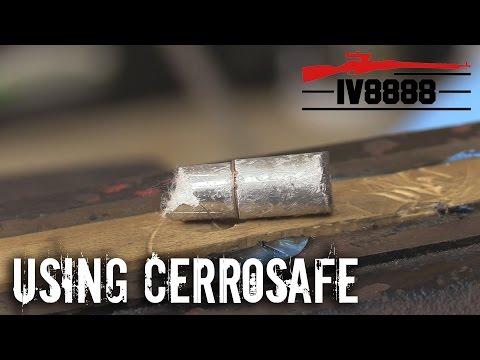
To identify the caliber of a rare Galland Revolver with unavailable ammunition, perform a chamber cast using Cerrosafe alloy. This technique involves disassembling the cylinder, pouring molten Cerrosafe into the chamber, and then precisely measuring the solidified cast with dial calipers to determine the cartridge dimensions.

Chapters

  1. 00:00Introduction to Galland Revolver & Chamber Cast
  2. 00:32Disassembly for Casting
  3. 02:31Chamber Casting with Cerrosafe
  4. 06:51Extracting and Measuring the Cast
  5. 09:46Caliber Identification (.44 Russian)
  6. 11:07Reassembly Challenges
  7. 15:47Screw Head Maintenance Technique
  8. 17:33Conclusion and Resources

Frequently Asked Questions

How do you identify the caliber of a rare revolver like the Galland when ammunition is unavailable?

The most reliable method is to perform a chamber cast using a low-melting-point alloy like Cerrosafe. This allows for precise measurements of the chamber's dimensions, which can then be used to definitively identify the correct cartridge.

What is Cerrosafe and why is it used for chamber casting?

Cerrosafe is a specialized alloy with a low melting point, making it ideal for casting firearm chambers without damaging the metal. It expands slightly upon cooling, ensuring a precise and accurate cast that captures intricate details of the chamber.

What tools are essential for performing a chamber cast on a firearm?

Essential tools include a low-melting-point alloy like Cerrosafe, a heat source (crucible/torch), a vice with appropriate jigs for securing the firearm component, and precision measuring instruments such as dial calipers.

How can a damaged screw head on a firearm be repaired without replacing the screw?

An expert gunsmithing technique involves using a punch block and hammer to carefully 'move the metal' back into its original shape. This method preserves the original screw and its finish, avoiding the need for replacement.

More Gunsmithing & DIY Videos You Might Like

More from Mark Novak

View all →