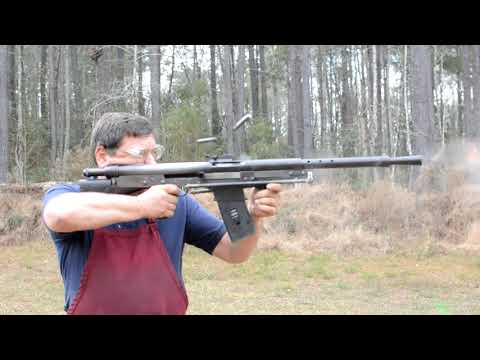
Anvil 089: Krag Disaster Recovery

Published on October 22, 2020
Duration: 50:30

This video details the complex recovery of a Krag-Jørgensen rifle damaged by fire and AFFF foam. Mark Novak demonstrates advanced techniques for rust removal, stock conservation, and metal treatment, including boiling parts to convert rust to magnetite. The process highlights the challenges of restoring heavily corroded firearms and the importance of preserving historical markings.

Quick Summary

Restoring a firearm damaged by fire and AFFF foam involves tackling severe rust and wood charring. Advanced techniques include boiling metal parts to convert rust to magnetite, using penetrating oils for seized components, and employing steam to conserve wooden stocks while preserving historical markings.

Chapters

  1. 00:00Introduction: Krag Disaster Recovery
  2. 01:43Stock Assessment & Charring
  3. 03:22Disassembly & Corrosion Management
  4. 09:24Action & Magazine Disassembly
  5. 16:35Dealing with Oxide Jacking
  6. 21:11Stock Conservation Techniques
  7. 23:59Bore Cleaning & Metal Recovery
  8. 26:25Historical Identification ('Mutt' Krag)
  9. 28:26Reassembly & Test Fire

Frequently Asked Questions

What are the main challenges in restoring a firearm damaged by fire and AFFF foam?

Fire damage causes charring and compromises wood integrity, while AFFF foam is highly corrosive to steel. This combination leads to severe rust, seized parts, and potential structural damage, requiring advanced conservation and gunsmithing techniques for recovery.

How can rust be effectively removed from severely corroded firearm parts?

Advanced methods include boiling metal parts to convert red rust to black oxide (magnetite), using penetrating oils like Kroil for seized components, and careful mechanical cleaning to remove surface corrosion without excessive metal loss.

What techniques are used to conserve a damaged wooden firearm stock?

Conservation involves assessing the charring depth, using steam to remove dents, applying stains and oil finishes to restore color, and carefully preserving original markings like inspector's cartouches, even if the stock isn't suitable for heavy use.

What is 'oxide jacking' and how is it addressed during firearm restoration?

Oxide jacking occurs when rust expands, wedging screws into wood. It's addressed by using shock tactics, like tapping with a hammer and screwdriver, to break the rust bond without stripping screw heads or splitting the wood.

Related News

All News →

More Gunsmithing & DIY Videos You Might Like

More from Mark Novak

View all →