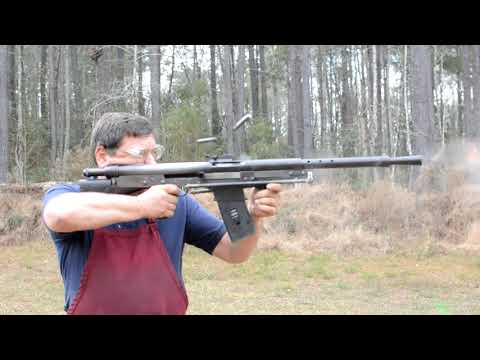
Anvil 089: Krag Disaster Recovery

Published on October 22, 2020
Duration: 50:30

This guide details the meticulous process of recovering a Krag-Jørgensen carbine damaged by fire and prolonged exposure to AFFF foam. Expert Mark Novak demonstrates advanced techniques for rust removal, stock conservation, and reassembly, culminating in a successful test fire. The process highlights specialized gunsmithing skills required for extreme firearm restoration.


Quick Summary

Expert Mark Novak demonstrates advanced gunsmithing techniques to recover a Krag-Jørgensen carbine damaged by fire and AFFF foam. The process includes meticulous disassembly, rust conversion via boiling, stock conservation through steaming and refinishing, and careful reassembly, culminating in a functional firearm.

Chapters

  1. 00:00Introduction to the Krag Disaster
  2. 01:43Stock Assessment and Charring
  3. 03:22Disassembly and Corrosion Management
  4. 09:24Action and Magazine Disassembly
  5. 16:35Dealing with Oxide Jacking
  6. 21:11Stock Conservation Techniques
  7. 23:59Bore Cleaning and Metal Recovery
  8. 26:25Historical Identification
  9. 28:26Reassembly and Test Fire

Frequently Asked Questions

How can a firearm damaged by fire and AFFF foam be restored?

Restoration involves meticulous disassembly, using penetrating oils like Kano Kroil for seized parts, specialized cleaning for corrosion, boiling metal to convert rust, and careful stock conservation techniques like steaming and refinishing, as demonstrated by Mark Novak on a Krag-Jørgensen carbine.

What are the challenges in restoring a fire-damaged Krag-Jørgensen carbine?

Challenges include severe charring of the wooden stock, heavy rust and AFFF residue on metal components, 'oxide jacking' that seizes screws, and the need to identify if the firearm is an original or a 'mutt' assembly, requiring advanced gunsmithing skills.

What techniques are used to conserve a fire-damaged wooden firearm stock?

Techniques include assessing char depth, steaming out dents with a wet towel and iron, removing compromised varnish with solvents and abrasives, and applying a dark stain and oil finish to restore color while preserving original markings like inspector's cartouches.

What is 'oxide jacking' and how is it addressed during firearm restoration?

'Oxide jacking' is rust expansion that wedges screws. It's addressed by using a hammer and screwdriver bit to shock the screws loose, preventing damage to the surrounding wood or stripping the screw heads, a method shown by Mark Novak.

Related News

All News →

More Gunsmithing & DIY Videos You Might Like

More from Mark Novak

View all →