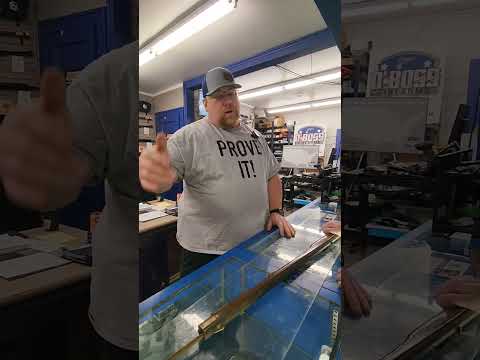
Attenzione allo squib…😱 #gunlife

Published on June 12, 2024
Duration: 1:00

This guide details the safe procedure for clearing a squib load, a dangerous firearm malfunction where a bullet lodges in the barrel due to insufficient powder. The video emphasizes distinguishing squibs from misfires and highlights the critical danger of firing a second round into an obstructed barrel. Expert instruction from Vampire Guns demonstrates the proper disassembly and use of soft metal rods (brass or aluminum) to safely remove the lodged projectile, stressing the importance of correct rod material and removal direction.

Quick Summary

Safely clear a squib load by first ensuring the firearm is unloaded. Disassemble the weapon and use a brass or aluminum rod, which is softer than barrel steel, to push the lodged bullet out. The direction of removal (towards the chamber or muzzle) depends on the bullet's position within the barrel.

Chapters

  1. 00:00Misfire vs. Squib
  2. 00:03Defining a Squib Load
  3. 00:12The Dangers of Bore Obstruction
  4. 00:28Safe Removal Procedure
  5. 00:48Direction of Removal

Frequently Asked Questions

What is a squib load and why is it dangerous?

A squib load occurs when a bullet is fired with insufficient or no powder, causing it to lodge in the barrel. It's dangerous because firing a subsequent round into this obstruction can cause the firearm to explode.

How do you safely clear a squib load from a firearm?

First, ensure the firearm is unloaded. Disassemble it and use a brass or aluminum rod (softer than the barrel) to push the lodged bullet out, either back towards the chamber or through the muzzle depending on its position.

What tools should be used to clear a squib load?

Only use rods made of soft metals like brass or aluminum. These materials are less likely to damage the firearm's barrel compared to steel rods. Always ensure the rod is the correct caliber for the barrel.

What is the difference between a misfire and a squib load?

A misfire is when the primer fails to ignite the powder charge, and the gun doesn't fire. A squib load involves primer ignition, but the powder charge is too weak, sending the bullet partway down the barrel.

Related News

All News →

More Gunsmithing & DIY Videos You Might Like

More from Vampire Guns

View all →