Browning A5 Friction Ring Setup

Published on September 28, 2020
Duration: 5:09

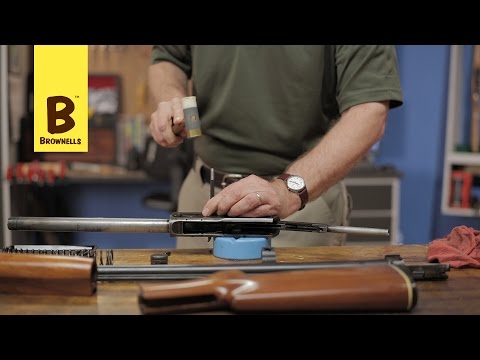
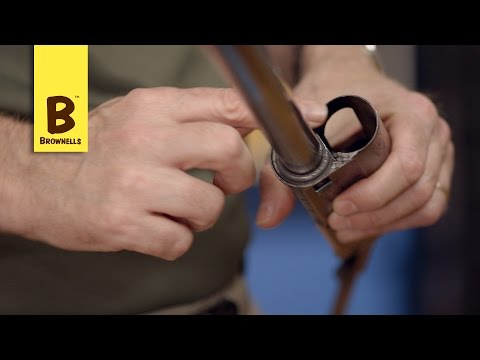
This video details the Browning A5's long-recoil operation and its adjustable friction ring system for managing recoil energy. Mark Novak explains how the friction ring, composed of a brass piece and steel spring, acts as a brake by compressing against the magazine tube. Proper setup involves aligning friction ring splits and using a light coat of lithium grease on the magazine tube for smooth operation and to prevent galling.

Quick Summary

The Browning A5's friction ring system manages recoil energy. It uses a brass piece and steel spring compressed against the magazine tube. Adjust it for heavy loads (max compression) or light loads (min friction) by rearranging rings and ensuring splits align.

Chapters

  1. 00:00A5 Recoil Physics Explained
  2. 01:17The Friction Ring Braking System
  3. 02:47Adjusting for Different Loads
  4. 03:32Maintenance & Proper Assembly
  5. 04:21Historical Context & Safety

Frequently Asked Questions

How does the Browning A5 friction ring system work?

The Browning A5 uses a friction ring system as a brake to manage excess recoil energy. When fired, the barrel and bolt move back, compressing a brass friction piece and steel spring ring against the magazine tube, creating resistance to cycle the action correctly.

How do I adjust the Browning A5 friction ring for different loads?

For heavy loads, set the friction ring and backing ring for maximum compression. For lighter loads, rearrange the rings to minimize friction, allowing the action to cycle with less energy. Proper alignment of ring splits is crucial.

What maintenance is recommended for the Browning A5 friction ring?

Apply a very light coat of lithium grease to the magazine tube to prevent galling. Ensure the notches or splits in the friction rings are aligned with each other during assembly for correct function.

What is the purpose of the friction ring on a Browning A5?

The friction ring on a Browning A5 acts as a braking system. It helps to absorb and dissipate excess energy generated by the long-recoil action, allowing the shotgun to cycle reliably with different ammunition types by adjusting the level of friction.

Related News

All News →

More Gunsmithing & DIY Videos You Might Like

More from Mark Novak

View all →