Build Box: Legendary PCC Build | Gun Talk Media

Published on October 3, 2023
Duration: 22:09

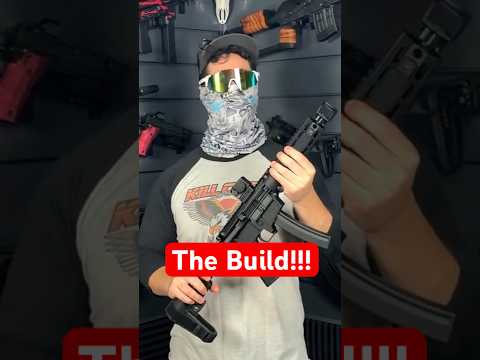
This video details the assembly of a Pistol Caliber Carbine (PCC) build, focusing on the specific components and techniques required for a blowback system. It covers the installation of a mil-spec trigger, barrel, and handguard, emphasizing the importance of proper alignment and the use of anti-seize. The build utilizes an Aero Precision EPC platform and highlights the differences between a blowback PCC and a traditional gas-operated AR-15.

Quick Summary

Pistol Caliber Carbines (PCCs) are favored for their low recoil, affordability with calibers like 9mm, and quieter operation. Their blowback systems, while simpler, require heavier buffers and springs compared to gas-operated AR-15s, contributing to a unique shooting feel.

Chapters

  1. 00:01Introduction to PCC Builds
  2. 00:07Why PCCs are Popular
  3. 00:14The Vision for a Custom PCC
  4. 00:21Build Box: PCC Upgrade
  5. 00:54Unboxing the Parts
  6. 01:10PCCs Explained: Cheap, Fun, Quiet
  7. 01:31Assembling Parts Over Time
  8. 02:03Starting the Build
  9. 02:14Optics and Barrel Selection
  10. 02:32The FDE Theme
  11. 02:50Aero Precision Receivers
  12. 03:31Trigger Options: Standard vs. Drop-in
  13. 03:52Choosing a Mil-Spec Trigger for Aero EPC
  14. 04:12Installing Mil-Spec Trigger Components
  15. 05:03Trigger Pin Installation Trick
  16. 06:13Hammer Pin Installation
  17. 06:40Build Box Sponsors
  18. 06:55PCC Operating Systems: Blowback vs. Gas
  19. 07:22Blowback System Simplicity
  20. 07:52Buffer Tube and Spring Installation
  21. 08:19Blowback Action Feel
  22. 08:24Heavy Buffer and Spring Details
  23. 08:50Bolt Face Differences
  24. 09:03Direct Blowback Explained
  25. 09:17Ease of Building Blowback Systems
  26. 09:30Felt Recoil in Blowback PCCs
  27. 10:05Reassembly and Vice Block
  28. 10:09Wheeler Mounting Block
  29. 10:39Pinning the Upper Receiver
  30. 10:42Barrel and Handguard Installation
  31. 10:57Applying Anti-Seize
  32. 11:52Anti-Seize on Barrel Extension
  33. 12:16Anti-Seize on Threads
  34. 12:37Installing the Barrel Nut
  35. 13:34Mounting the Handguard
  36. 13:41Handguard Alignment Trick
  37. 14:19Creating a Monolithic Rail
  38. 14:35Clamping the Handguard
  39. 15:08Barrel Length Considerations (16-inch)
  40. 15:13Maximizing Ballistics
  41. 15:23Avoiding SBR Classification
  42. 15:30Extended Range Capabilities
  43. 15:37Using Bubble Levels for Alignment
  44. 15:45Vice Stability and Leveling
  45. 16:01Considerations for Left-Handed Shooters
  46. 16:09Scope Mounting and Eye Relief
  47. 16:44Torquing Scope Rings
  48. 16:49Muzzle Break Installation
  49. 17:02Build Box Sponsors: Ballistic Advantage, EOTech, Silencer Central
  50. 17:18Choosing a Muzzle Device
  51. 17:25Suppressor Compatibility
  52. 17:35Benefits of Suppressed PCCs
  53. 17:49Primary Weapon Systems BDE Muzzle Brake
  54. 18:06Design Purpose of the BDE Brake
  55. 18:17Blowback System and Suppressed Subsonic Ammo
  56. 18:35Ammunition Considerations
  57. 18:47Break-in Time for PCCs
  58. 18:57Final Assembly and Range Prep
  59. 19:45Final Build Impression
  60. 19:54Classic Block Mags
  61. 19:59Ready to Shoot
  62. 20:06First Shots
  63. 20:14Shooting Impressions
  64. 20:25Target Practice
  65. 20:37Velocity and Power Difference
  66. 20:4416-inch Barrel Advantage
  67. 20:57Accuracy and Feel
  68. 21:14Smooth Recoil
  69. 21:21Shooting with Drum Magazine
  70. 21:38All-Day Shooting Potential
  71. 21:46Heat Considerations
  72. 21:53Final Thoughts
  73. 22:00Gun Talk Content Resources

Frequently Asked Questions

What are the main advantages of a Pistol Caliber Carbine (PCC)?

PCCs are popular because they offer low recoil, are inexpensive to shoot with common calibers like 9mm, and are generally quieter than traditional rifles, making them fun and accessible for many shooters.

How does a blowback operating system differ from a gas system in an AR-15?

A blowback system in a PCC uses the direct force of expanding gases to cycle the bolt, unlike a gas system which uses a gas tube and piston. This means fewer parts are needed in a blowback system, but it often requires heavier components like the buffer and spring.

What is the recommended trigger type for an Aero Precision EPC build?

For an Aero Precision EPC build, a mil-spec trigger is recommended for optimal fitment, even though drop-in triggers are easier to install. The video demonstrates the proper installation of mil-spec trigger components.

Why is anti-seize compound important when installing a PCC barrel?

Applying anti-seize to the barrel extension and threads prevents galling and seizing, ensuring that the barrel nut can be properly torqued and that the barrel can be removed later if needed without damage.

What is the benefit of a 16-inch barrel on a 9mm PCC?

A 16-inch barrel on a 9mm PCC helps to maximize the ballistic performance of the round, increasing velocity and range. It also avoids the legal classification and requirements of a Short-Barreled Rifle (SBR).

More Gunsmithing & DIY Videos You Might Like

More from Gun Talk Media

View all →